
Intro
.webp)
Noble Machines is an emerging U.S. robotics startup focused on developing general-purpose industrial robots designed to perform hazardous, physically demanding tasks across sectors such as manufacturing, construction, logistics, energy, and semiconductors. Founded in 2024, the company aims to redefine industrial automation by combining advanced artificial intelligence with robust physical robotics systems capable of operating in real-world environments.
The company was founded by Wei Ding, a robotics entrepreneur and engineer with experience spanning AI, industrial automation, and advanced robotics systems. Ding established Noble Machines with the vision of creating adaptable robots capable of learning complex physical tasks quickly, addressing labor shortages and improving safety in high-risk industrial environments. Under his leadership, the company focuses on integrating AI learning systems with durable robotic hardware to enable faster deployment in production settings.
Noble Machines’ engineering team includes specialists from organizations such as Apple, SpaceX, NASA, and Caltech, bringing expertise in robotics, machine learning, and large-scale engineering systems. Their approach centers on tightly integrating hardware and AI into a unified system capable of learning and executing complex tasks more rapidly than traditional industrial robots.
The company emphasizes AI-driven whole-body control and end-to-end autonomy, enabling robots to learn new industrial skills through language instructions, demonstrations, and physical guidance. This allows robots to adapt to dynamic work environments in hours rather than months of programming, which is typical for conventional industrial automation systems.
Despite being a young company, Noble Machines has already demonstrated early traction. Within 18 months of launch, it deployed its first general-purpose robotic system to a Fortune Global 500 industrial customer, signaling early validation of its technology in real operational environments. Strategic partnerships with companies such as ADLINK, Schaeffler, and Solomon further support the development of its AI-driven robotics platform and industrial deployment strategy.
Robots
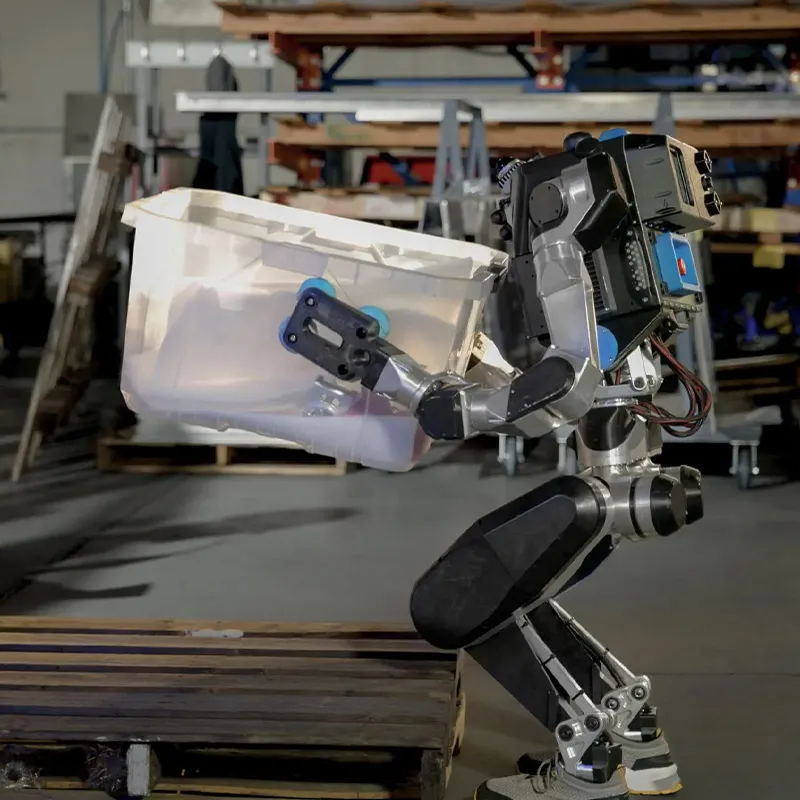
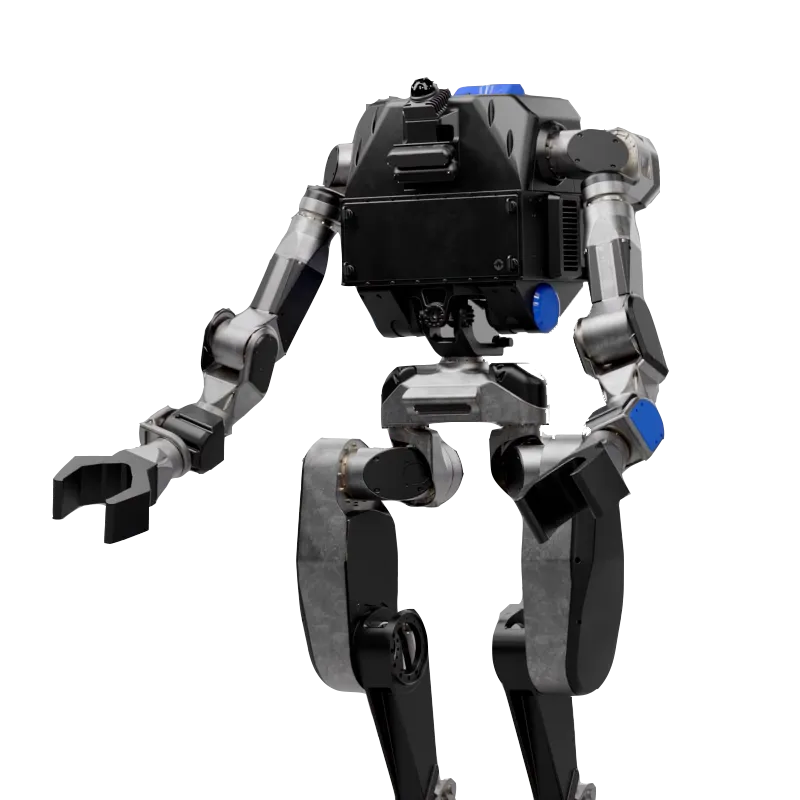
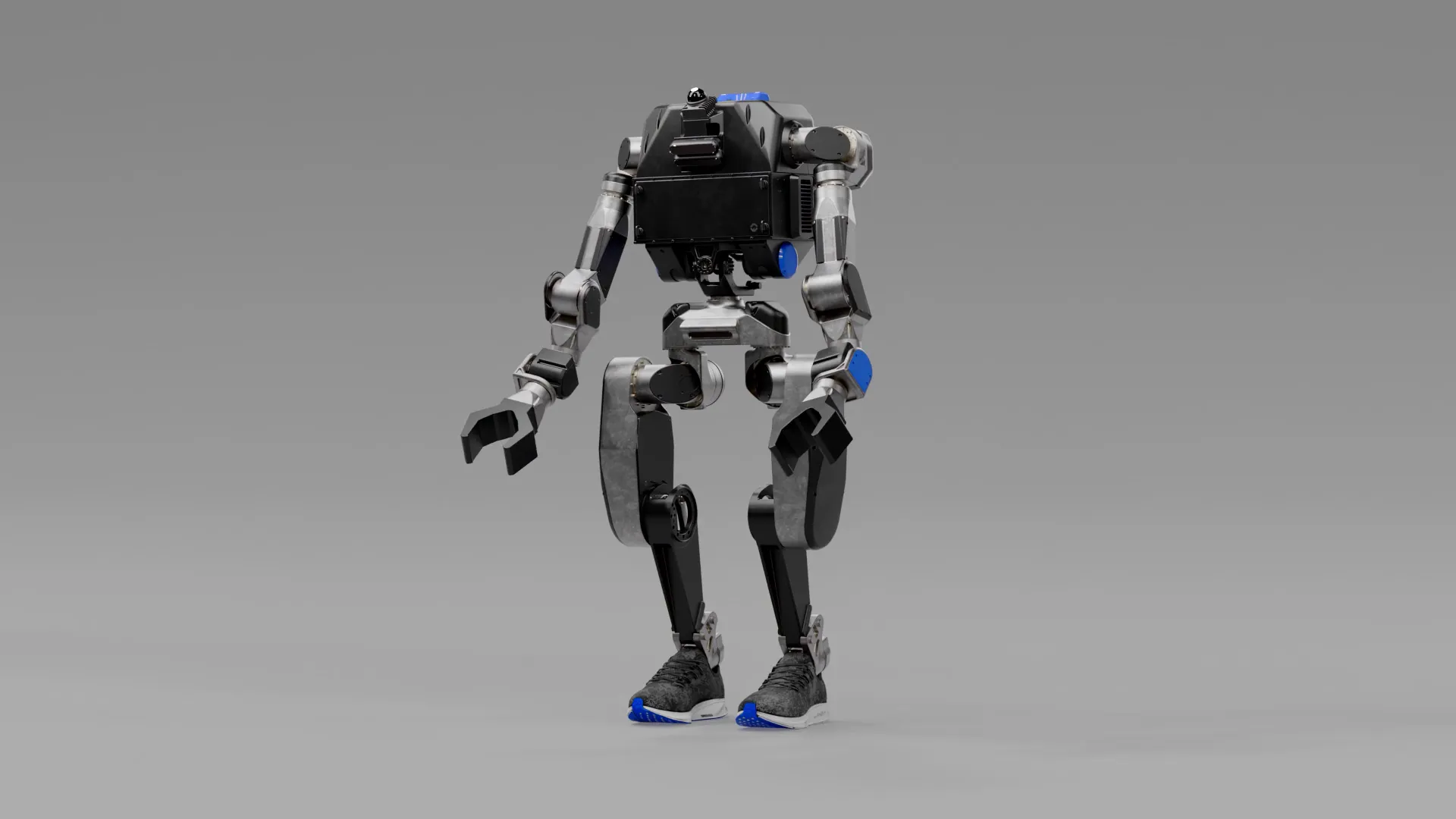
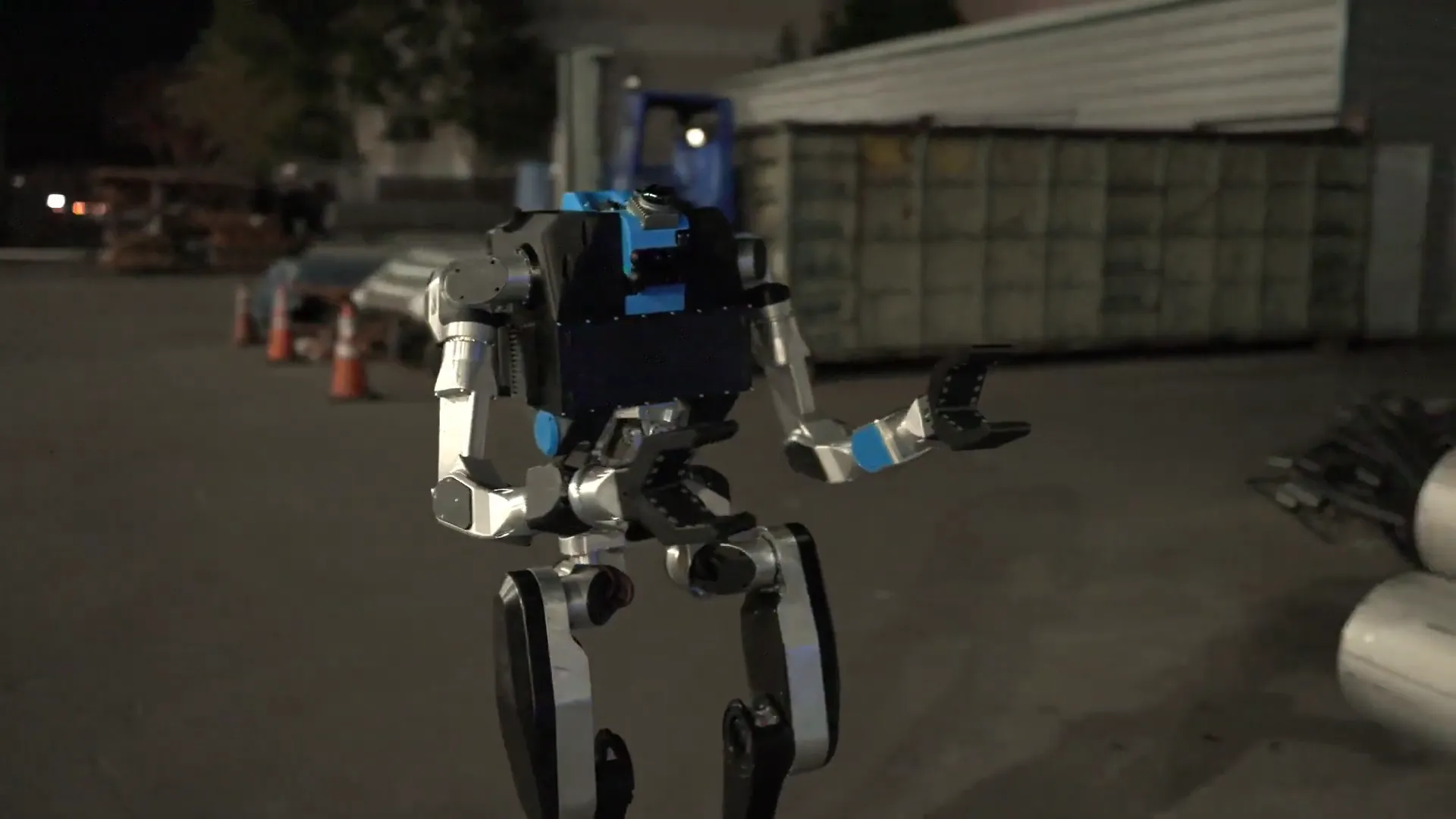
- Moby:
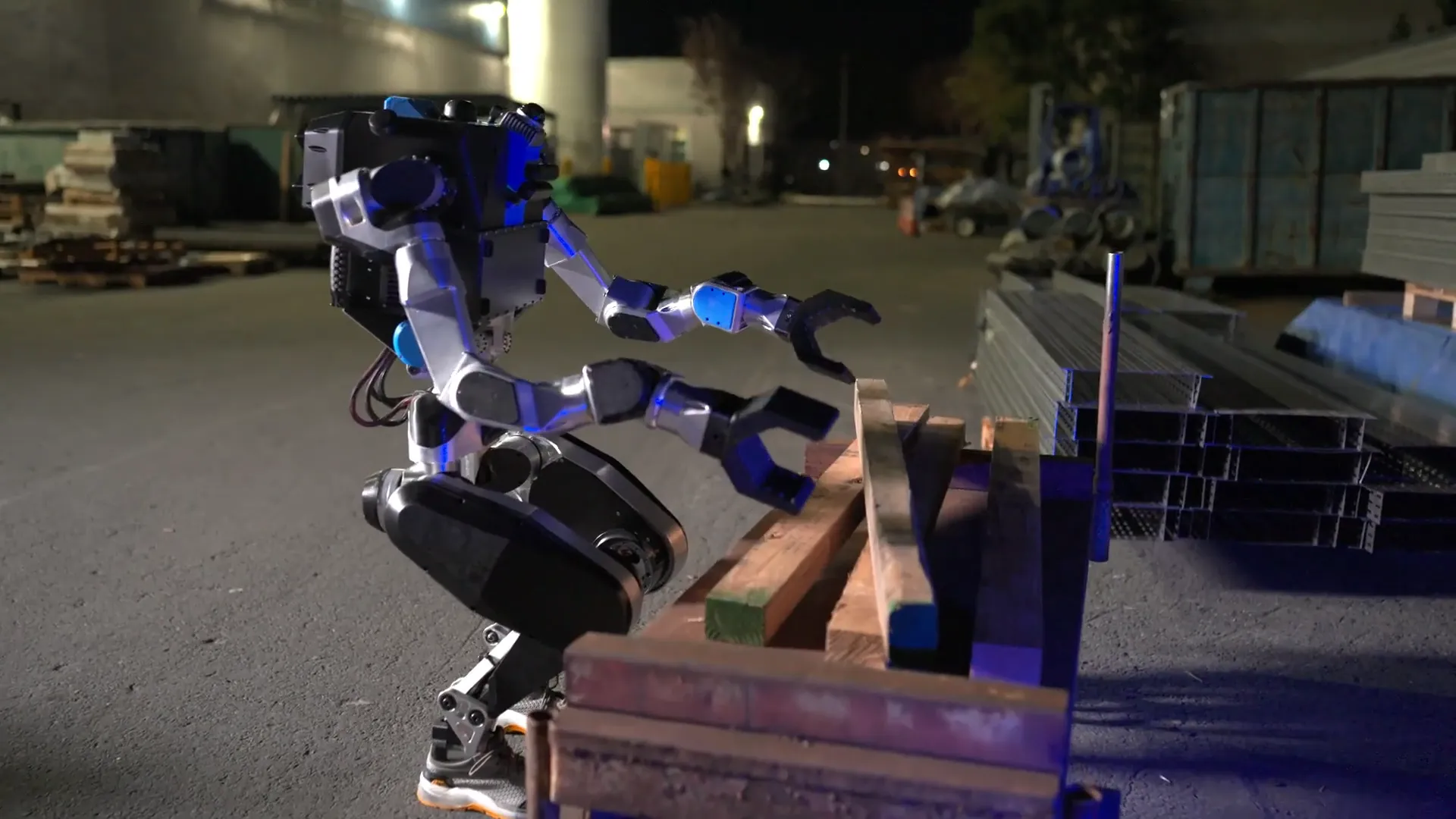
Industrial humanoid robot designed for hazardous environments, capable of lifting 27 kg, navigating complex terrain, and learning new tasks through AI and demonstration.
Specialism
- General-purpose industrial robotics capable of performing multiple tasks rather than single-purpose automation.
- AI-driven whole-body control systems enabling robots to coordinate locomotion, manipulation, and perception simultaneously.
- Rapid skill learning via demonstrations and language instructions, reducing the need for extensive programming.
- Adaptive mobility in unstructured environments, including construction sites and industrial facilities.
- Heavy-duty industrial task automation for hazardous or physically demanding jobs.
Business Viability
Noble Machines is positioned in the rapidly growing general-purpose robotics and embodied AI sector, competing with emerging players developing adaptable industrial robots rather than traditional fixed automation systems. The company’s emphasis on AI-enabled skill learning and integrated hardware-software design aligns with industry trends toward flexible automation capable of handling dynamic environments.
Its early deployment to a Fortune Global 500 customer within 18 months of founding indicates strong early market traction and validation of its technology. Partnerships with companies such as ADLINK and Schaeffler also suggest a strategy focused on integrating robotics with existing industrial infrastructure and supply chains.
However, the company remains in an early-stage startup phase, and scaling hardware manufacturing, proving long-term reliability, and competing with well-funded humanoid robotics companies (such as Figure AI, Agility Robotics, and Tesla’s Optimus program) will be significant challenges. If Noble Machines can continue to demonstrate rapid deployment cycles and measurable productivity improvements for industrial customers, it could become a notable player in the next wave of AI-powered industrial robotics.