



Intro
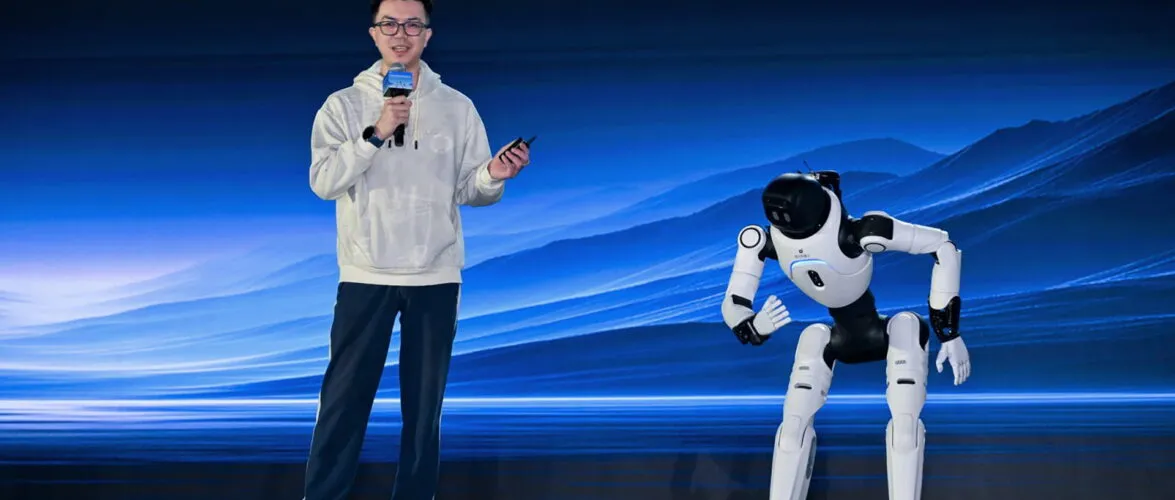
AgiBot was founded in early 2023 by Deng Taihua and Peng Zhihui, the latter a prominent robotics expert and former Huawei AI engineer. The company rapidly positioned itself at the forefront of the embodied intelligence sector in China. Its core mission involves the integration of advanced large language models with robotic hardware to automate human labor across manufacturing and commercial service sectors.
The organization achieved significant technical milestones within its first year, transitioning from research prototypes to commercially viable industrial platforms. The founding team leverages extensive experience in AI inference and mechanical engineering to produce robots capable of complex manipulation and autonomous navigation. This development is supported by a robust data collection ecosystem that uses real world environments to train embodied AI agents.
AgiBot maintains a strategy of dual development, offering both wheeled and legged humanoid platforms to address varying environmental constraints. The company focuses on the use of automotive grade components and rigorous industrial validation to ensure high reliability in 24/7 production settings. This approach has led to early large scale deployments in electronics manufacturing and logistics facilities.
Robots
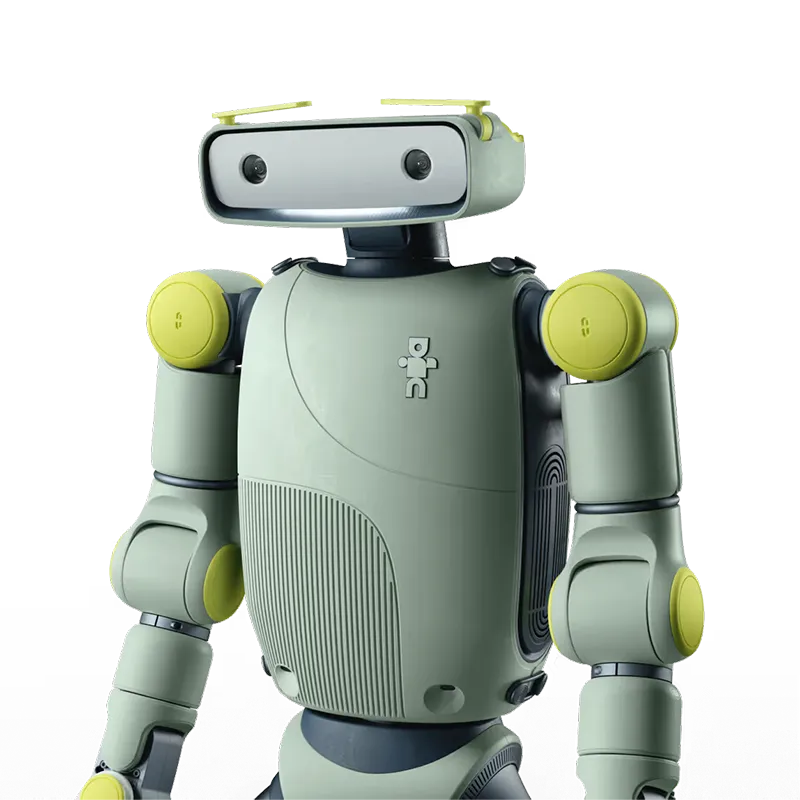
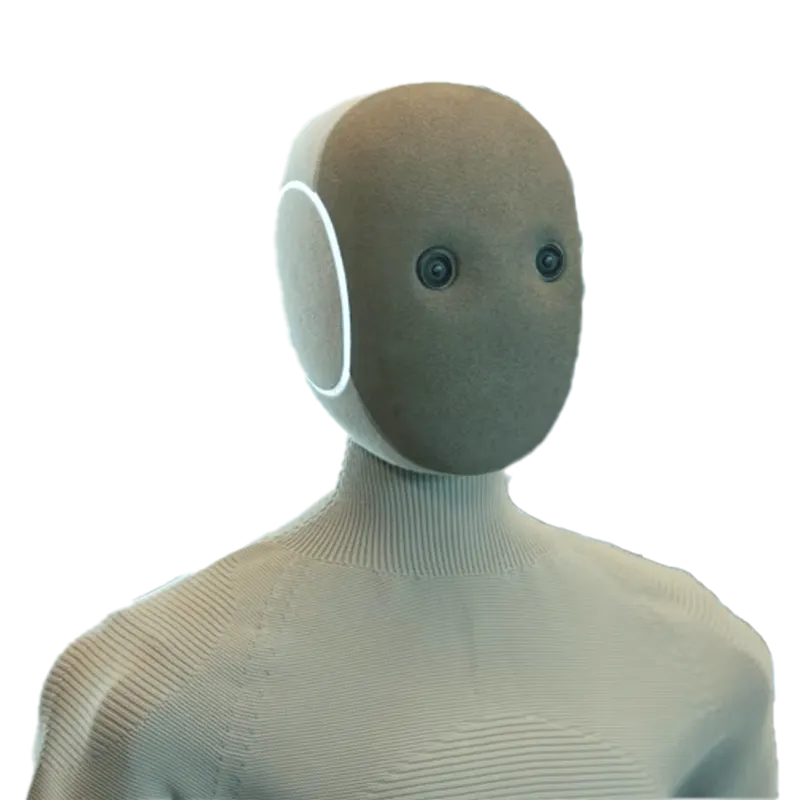
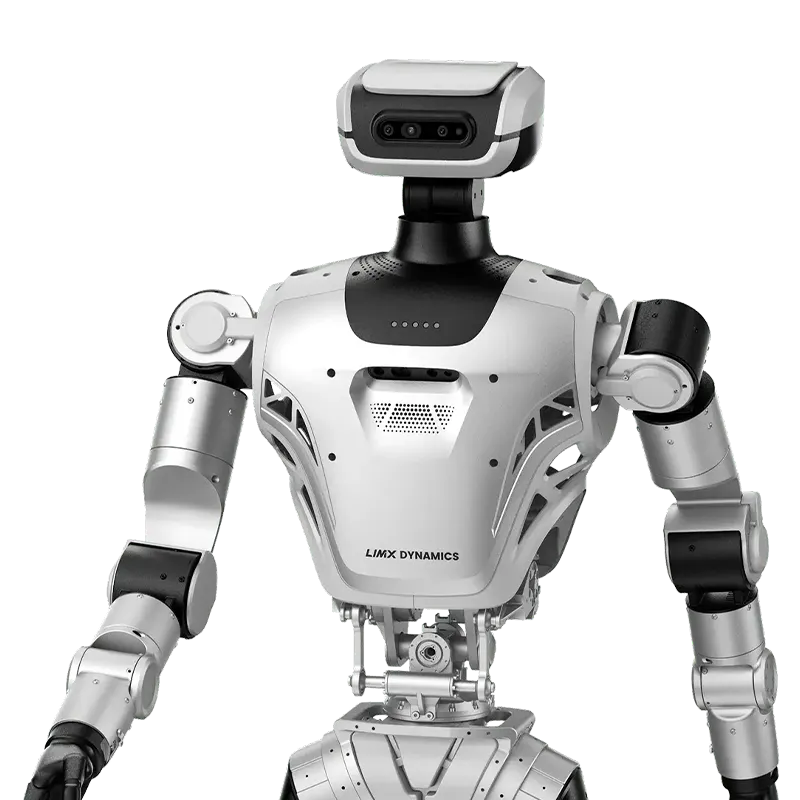
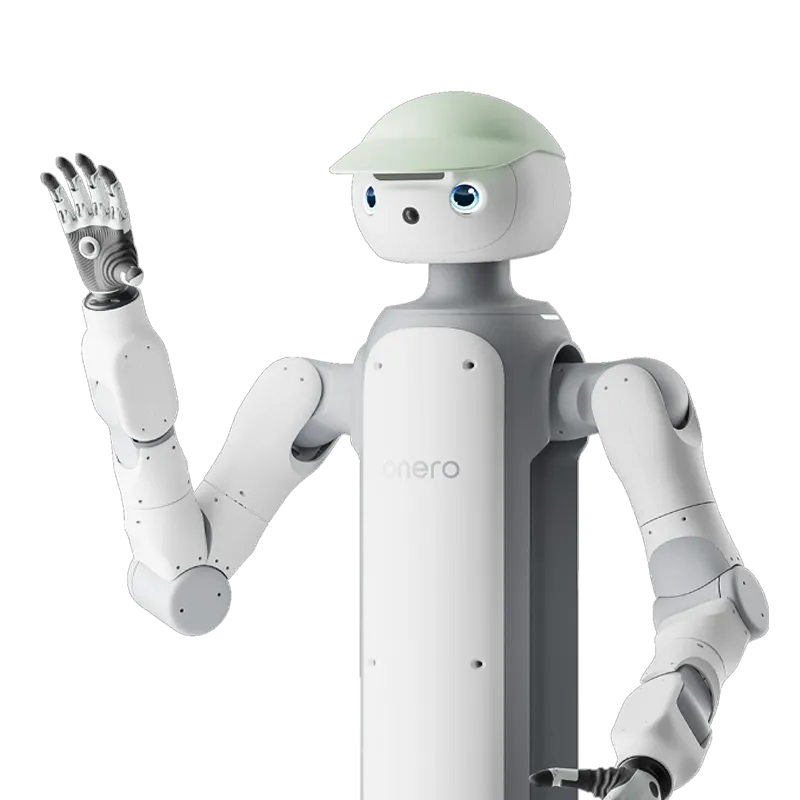
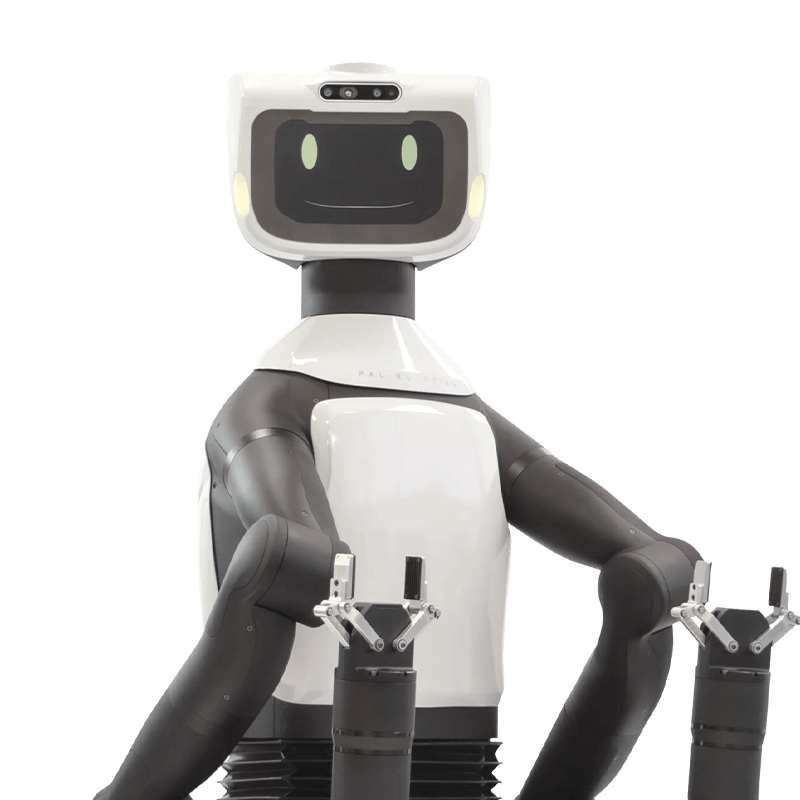
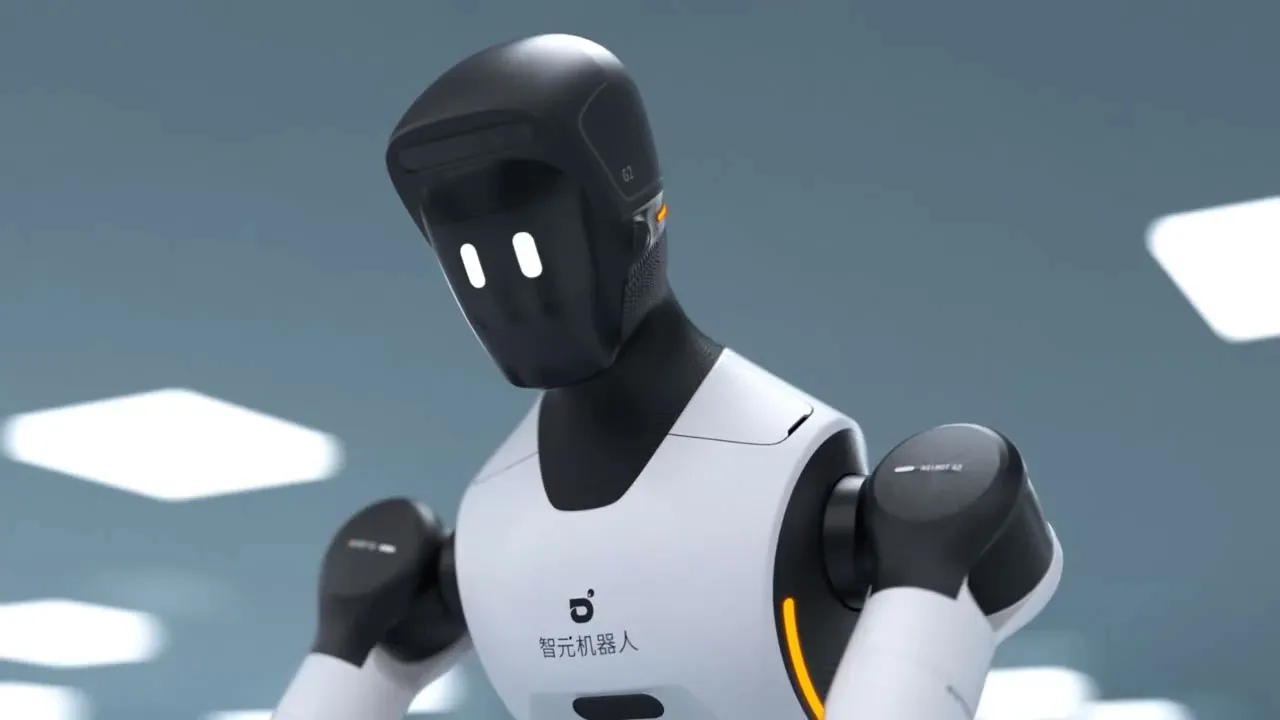
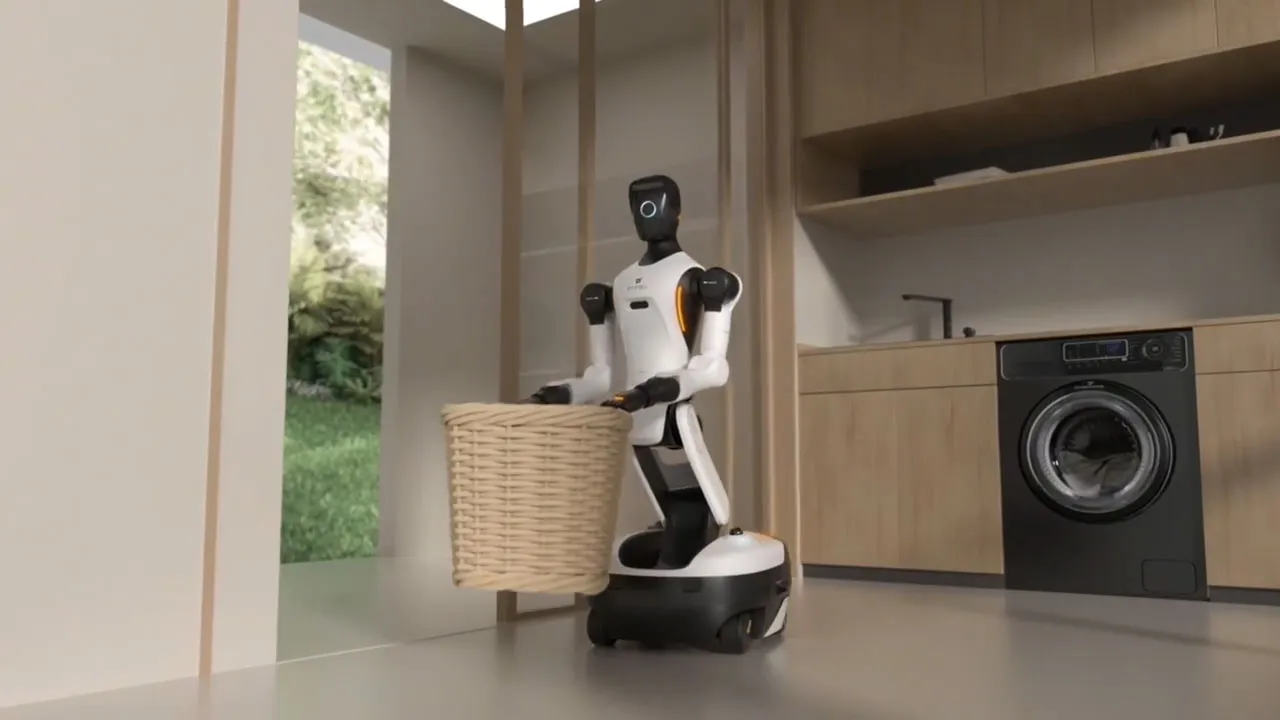
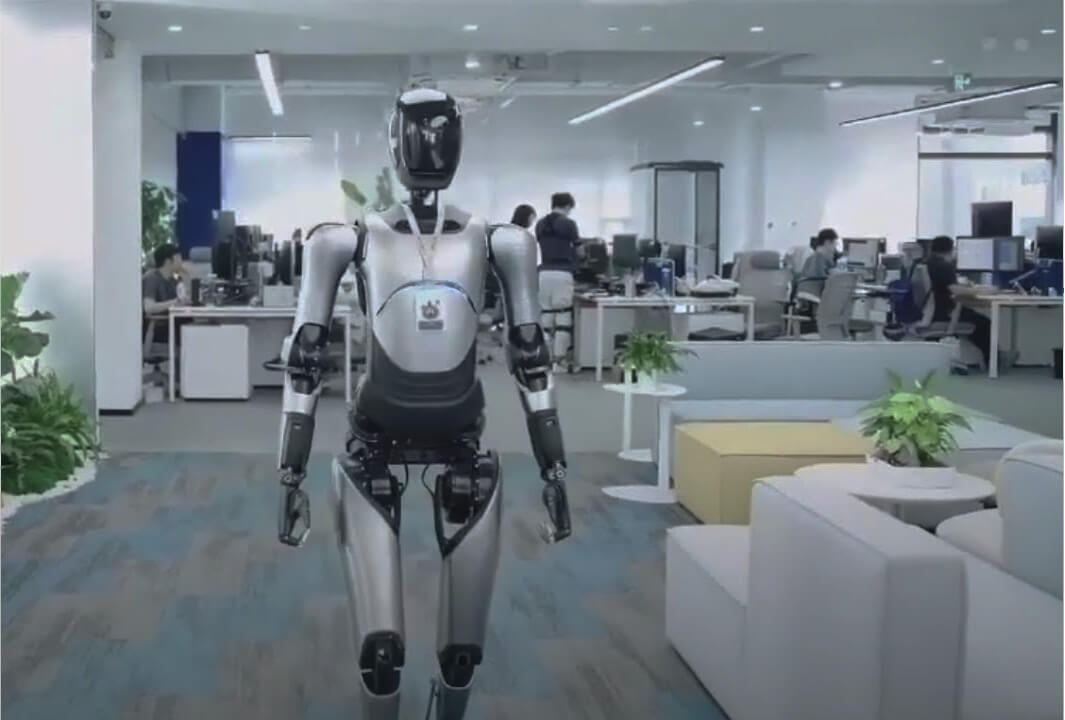
- AgiBot G1:
A general purpose industrial humanoid featuring a wheeled base and 26 degrees of freedom. It is optimized for data collection and model inference in indoor environments. - AgiBot G2:
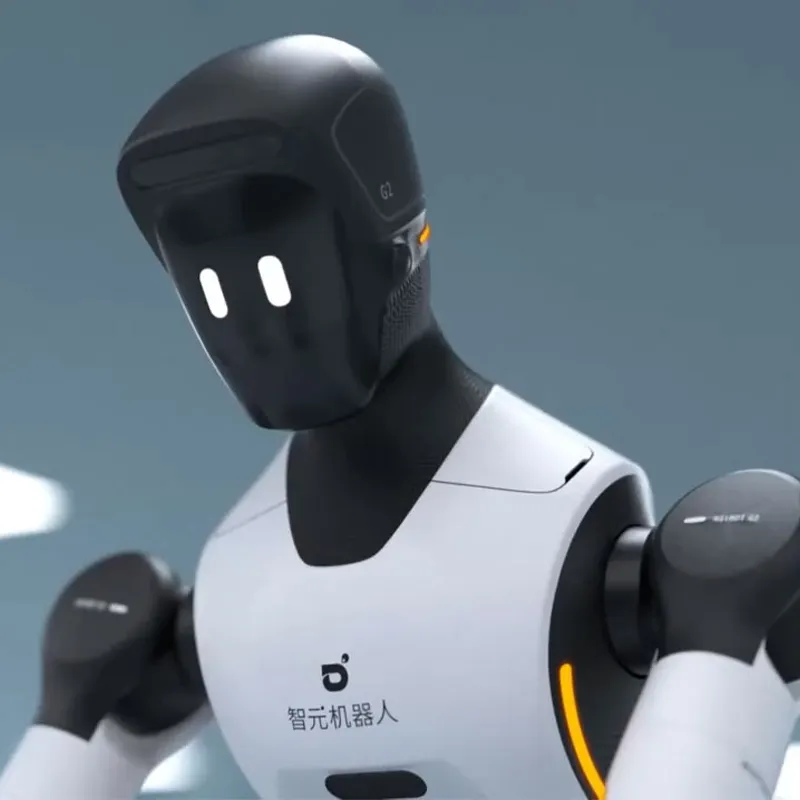
A next generation industrial interactive robot with an IP42 chassis and 500 TOPS of compute power. It is designed for high precision manufacturing and logistics sorting. - AgiBot A2-W:
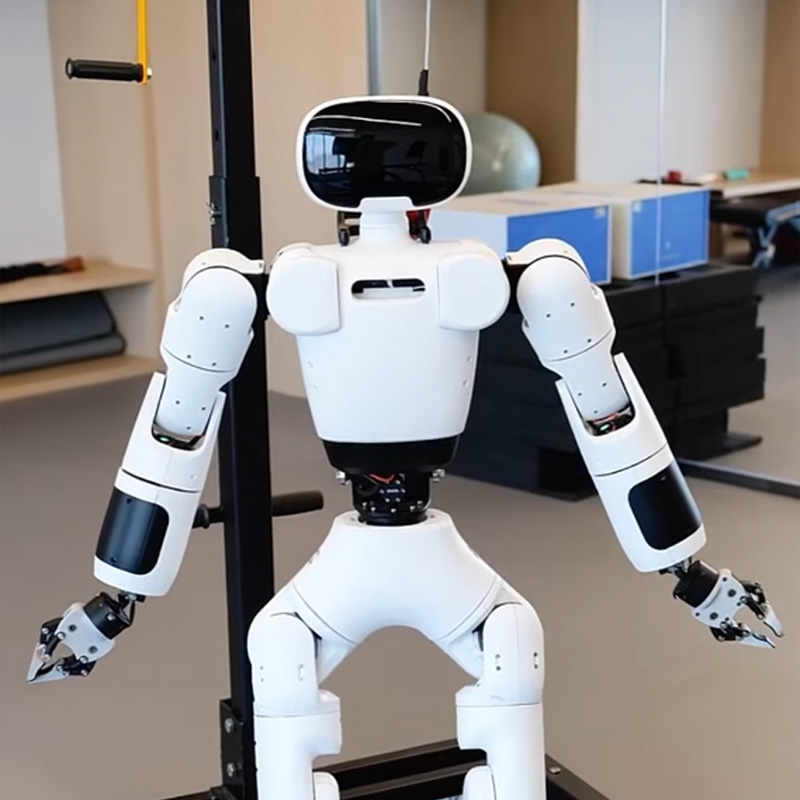
A wheeled manufacturing robot with bionic seven degree of freedom dual arms. It supports hot swappable batteries and millisecond level real time object recognition. - AgiBot X1:
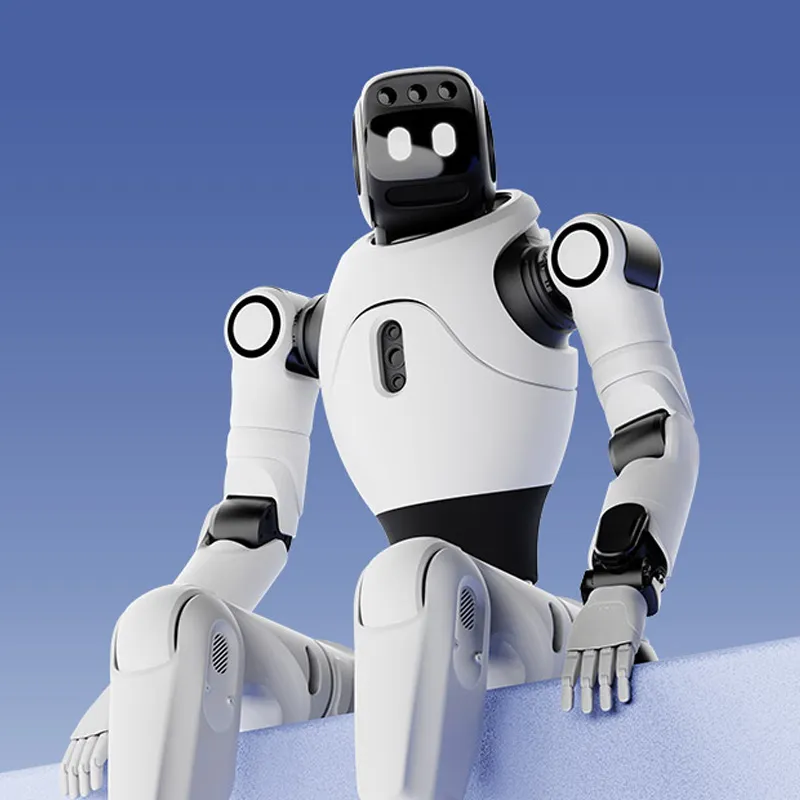
A full size legged humanoid platform built for research and dynamic mobility in unstructured environments. - AgiBot X2:
An advanced humanoid research platform focused on perception and robotics experimentation projects.
Specialism
- Embodied Intelligence:
Proprietary Genie RL systems and Vision Language Latent Action architecture for high success rates in complex tasks. - Industrial Grade Reliability:
Use of 100 percent automotive grade components and adherence to over 130 industrial validation tests. - Flexible Mobility:
Advanced four wheel steering systems that support zero radius rotation and lateral crab walking for narrow factory aisles. - Multi-Modal Perception:
Integrated sensor stacks including 360 degree LiDAR and six dimensional force sensors for safe human robot collaboration.
Business Viability
Funding and Financial Position
AgiBot has completed multiple financing rounds including Angel, Series A, A1 through A4, and a major strategic round in August 2025. It has raised approximately 83.8 million USD to date. Key institutional backers include Tencent Holdings, HongShan Capital (formerly Sequoia China), Hillhouse Investment, BYD, LG Electronics, and Mirae Asset. The company is reportedly targeting a valuation between 5.1 billion and 6.4 billion USD (40 to 50 billion HKD) for its planned 2026 Hong Kong IPO.
Revenue Model
The company generates revenue through direct hardware sales and co-developed robotics deployments with industrial and automotive manufacturers. AgiBot is transitioning toward a recurring revenue model through subscription based software support and hardware replenishment. Additionally, the company monetizes its "One Robotic Body, Three Intelligences" architecture by selling data collection and model training systems to external R&D clients, creating a secondary revenue stream from simulation and data services.
Customer and Deployment Base
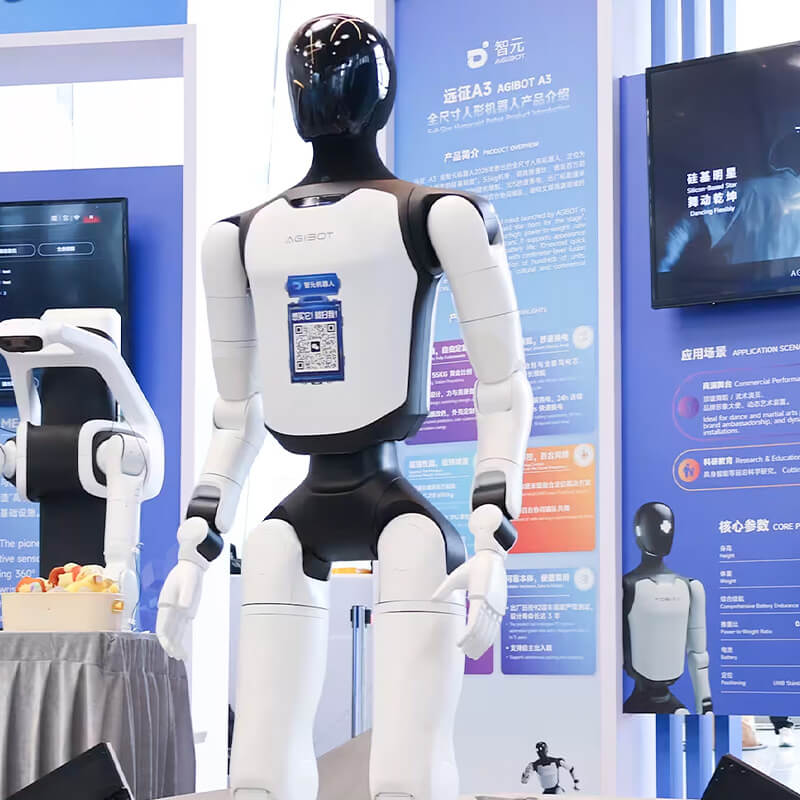
In March 2026, AgiBot announced the rollout of its 10,000th mass produced robot, marking a major milestone in industrial scale production. The G2 model is currently deployed in live consumer electronics production lines at Longcheer Technology. The A2 series is utilized in commercial showrooms and public exhibition spaces for interactive guidance. Deployment spans eight core sectors: industrial manufacturing, logistics sorting, security inspection, reception, entertainment, data collection, research, and education. A landmark 2025 deal with Fulin Precision Engineering involves the deployment of nearly 100 humanoid units for manufacturing automation.
Strategic Partnerships and Collaborations
AgiBot maintains a significant global training and R&D partnership with Minth Group, utilizing Minth's 78 global automotive parts factories as real world training grounds for algorithm refinement. In Southeast Asia, the company collaborates with Malaysian entities to operate the AI World Experience Centre in Shah Alam. On the technology side, AgiBot is a key partner for NVIDIA, utilizing the Jetson Thor platform for AI inference. The company also launched the AIMA (AI Machine Architecture) ecosystem in 2026 to foster a global developer community using its Link-U OS.
Market Position and Competitive Advantage
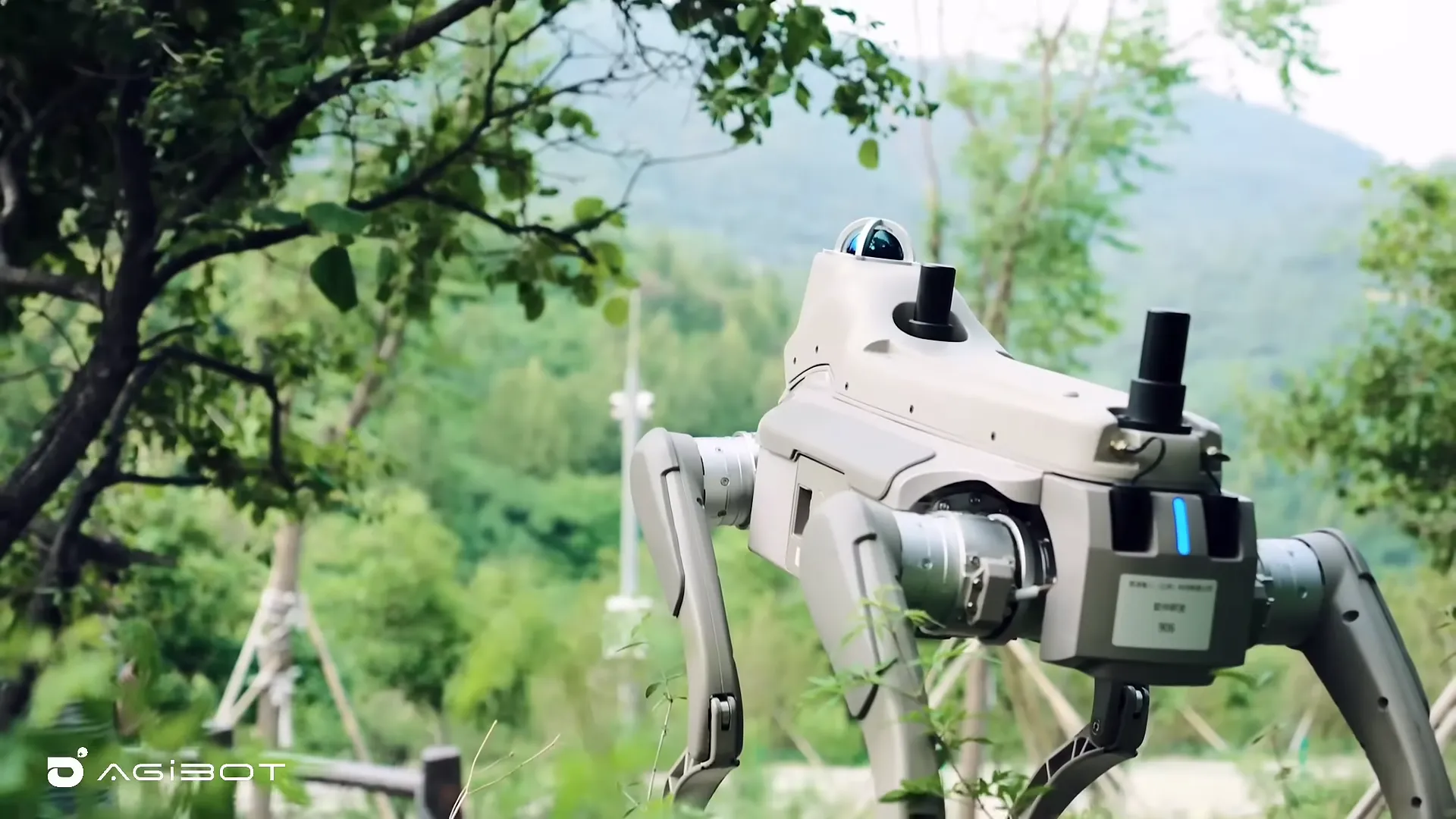
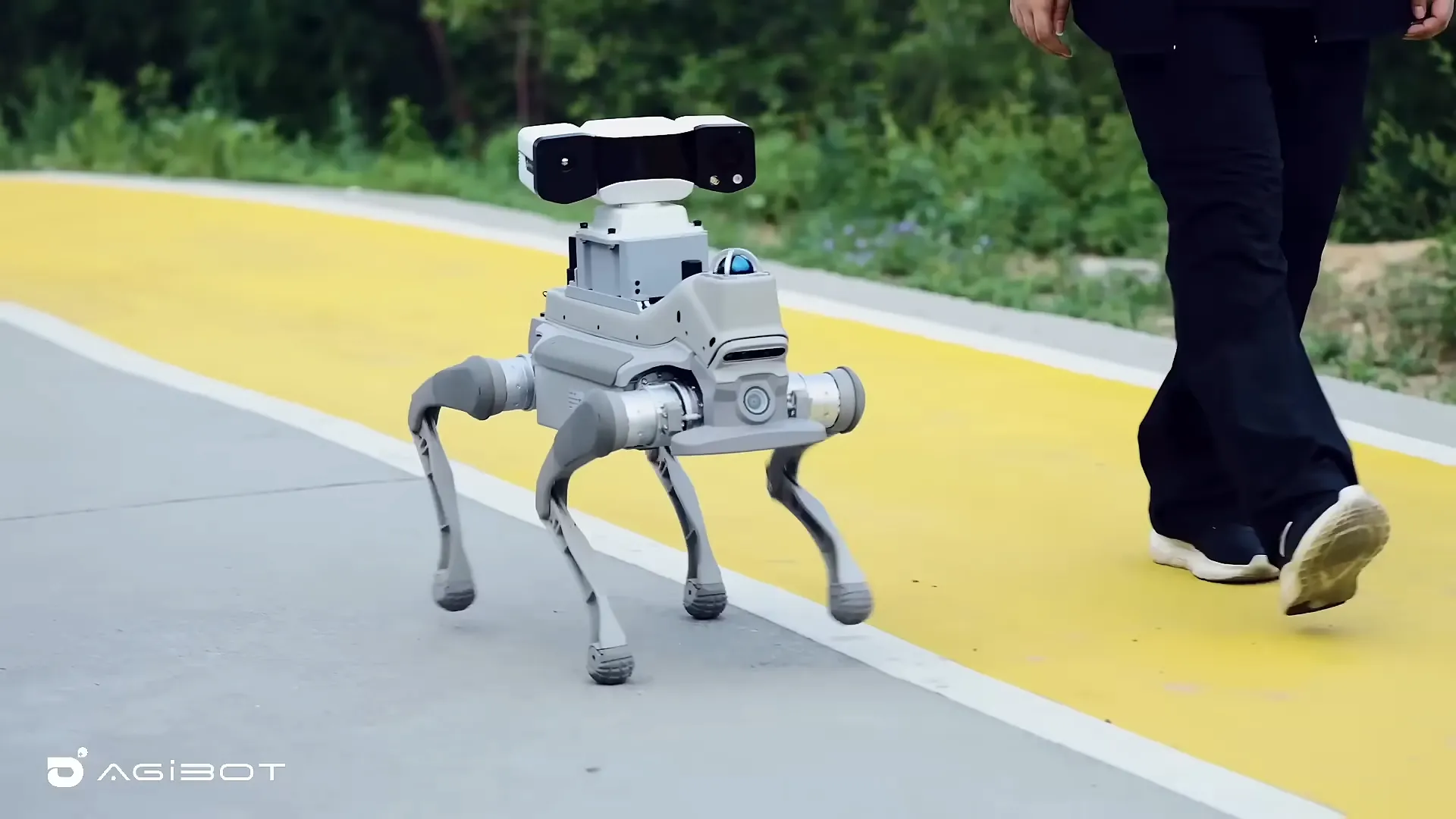
According to the Omdia General-Purpose Embodied Intelligent Robot 2026 report, AgiBot ranked first globally in humanoid robot shipment volume for 2025, capturing approximately 39 percent of the global market share. Its primary competitive advantage lies in its "Full-Series, Full-Scenario" portfolio, being the only company currently offering mass produced legged, wheeled, and quadruped platforms under a unified physical intelligence architecture.
Risks and Challenges
AgiBot faces intense market competition from domestic rivals like Unitree and international players such as Agility Robotics and Figure AI. The company's heavy reliance on high end AI chips, such as NVIDIA's Thor T5000, introduces potential supply chain volatility due to evolving export restrictions. Additionally, the transition from Level 3 autonomy to higher levels of generalization in unstructured home environments remains a significant technical hurdle.