





Intro
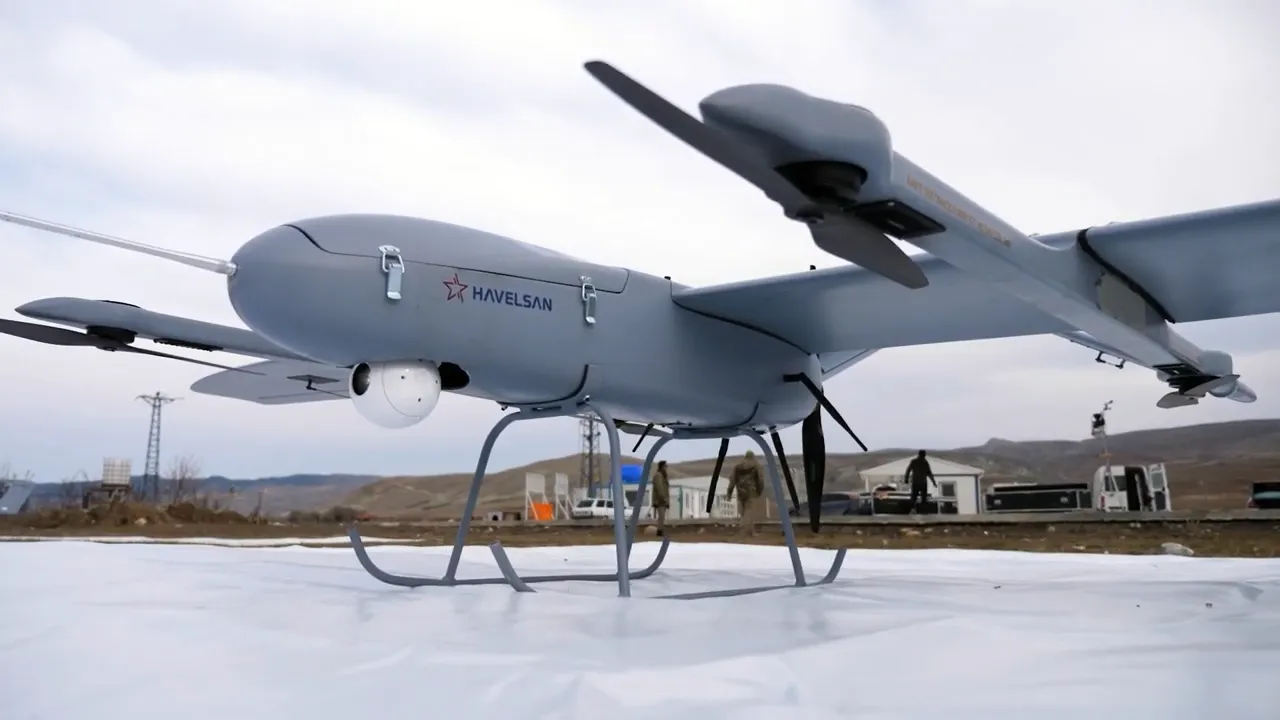
The BAHA UAV is a lightweight, sub-cloud autonomous aerial platform engineered to operate effectively in low- to mid-altitude environments where traditional high-altitude UAVs are less optimal. Developed by HAVELSAN, the system is specifically designed for operations below cloud cover, with a maximum ceiling altitude of 10,000 ft and an operational altitude of up to 8,000 ft. This positioning allows BAHA to deliver high-quality visual intelligence and situational awareness in conditions where visibility and responsiveness are critical, such as urban environments, mountainous terrain, and disaster zones.
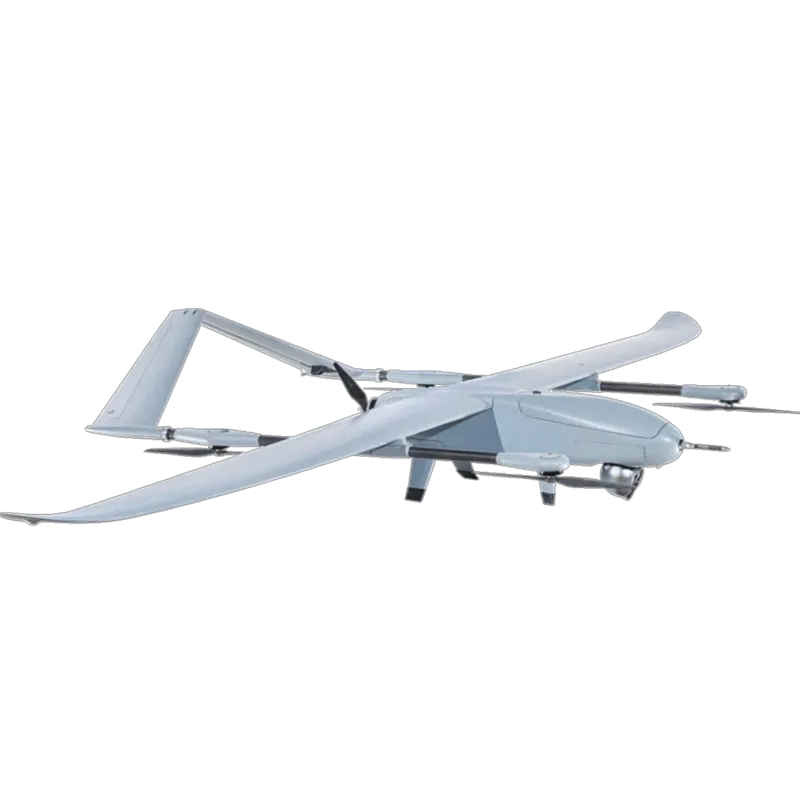
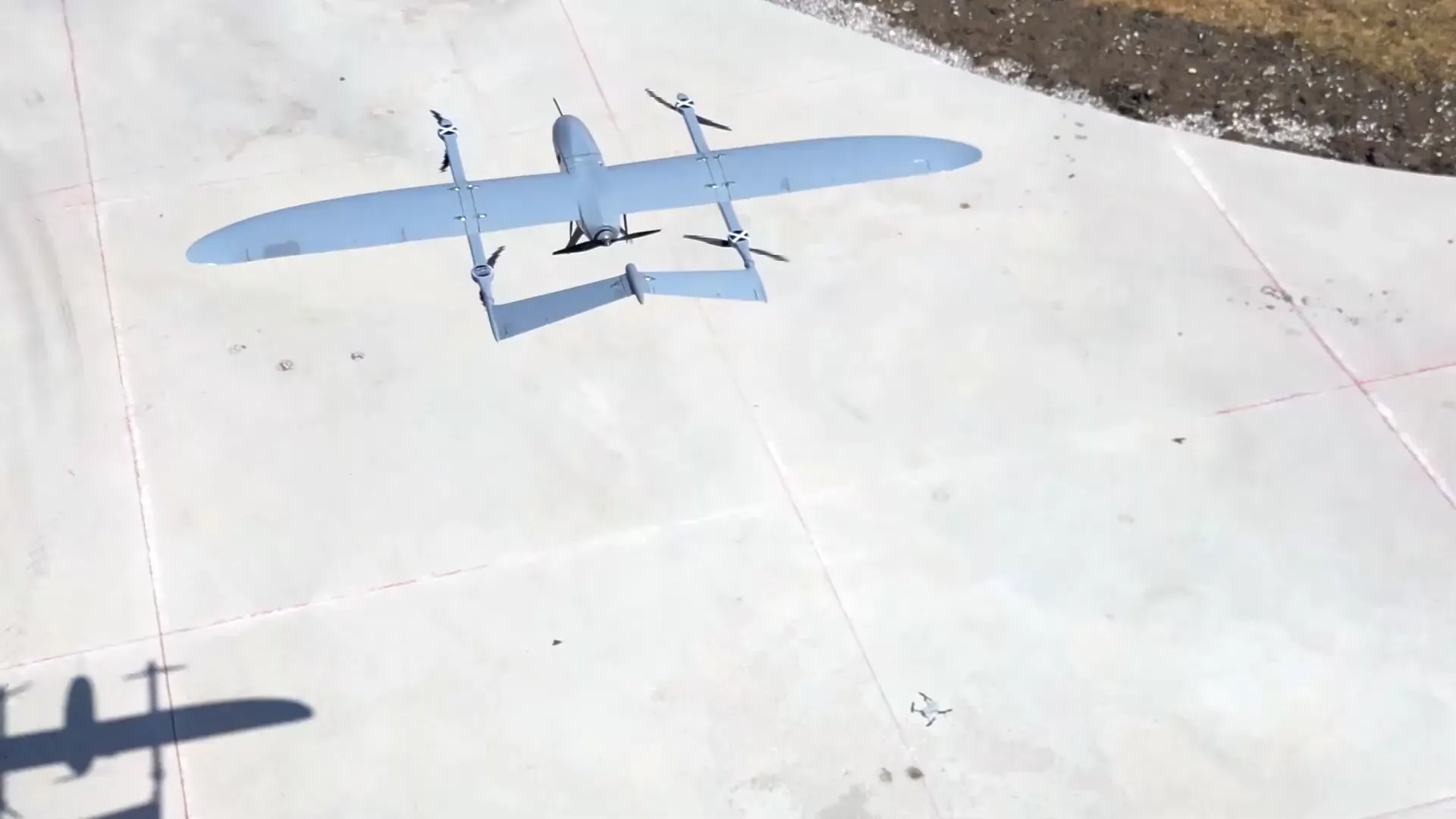
The aircraft features a hybrid aerodynamic configuration that combines vertical lift rotors with fixed-wing forward flight. This design enables seamless transition from hover to cruise mode, allowing the UAV to take off and land vertically in confined areas while benefiting from the endurance and efficiency of fixed-wing flight during missions. The platform is engineered to maintain stable flight performance under challenging weather conditions, with wind resistance of up to 15 knots during take-off and landing and up to 25 knots during cruise flight, ensuring operational reliability across a wide range of environments.
A defining characteristic of BAHA is its autonomous mission capability, supported by AI-driven navigation and control systems. The UAV can execute pre-defined missions independently, including waypoint navigation, obstacle avoidance, and automatic return-to-home in the event of communication loss. It is also capable of operating in GPS-denied environments, making it resilient against signal disruption or electronic warfare scenarios. These capabilities enable continuous mission execution even in contested or degraded communication environments.
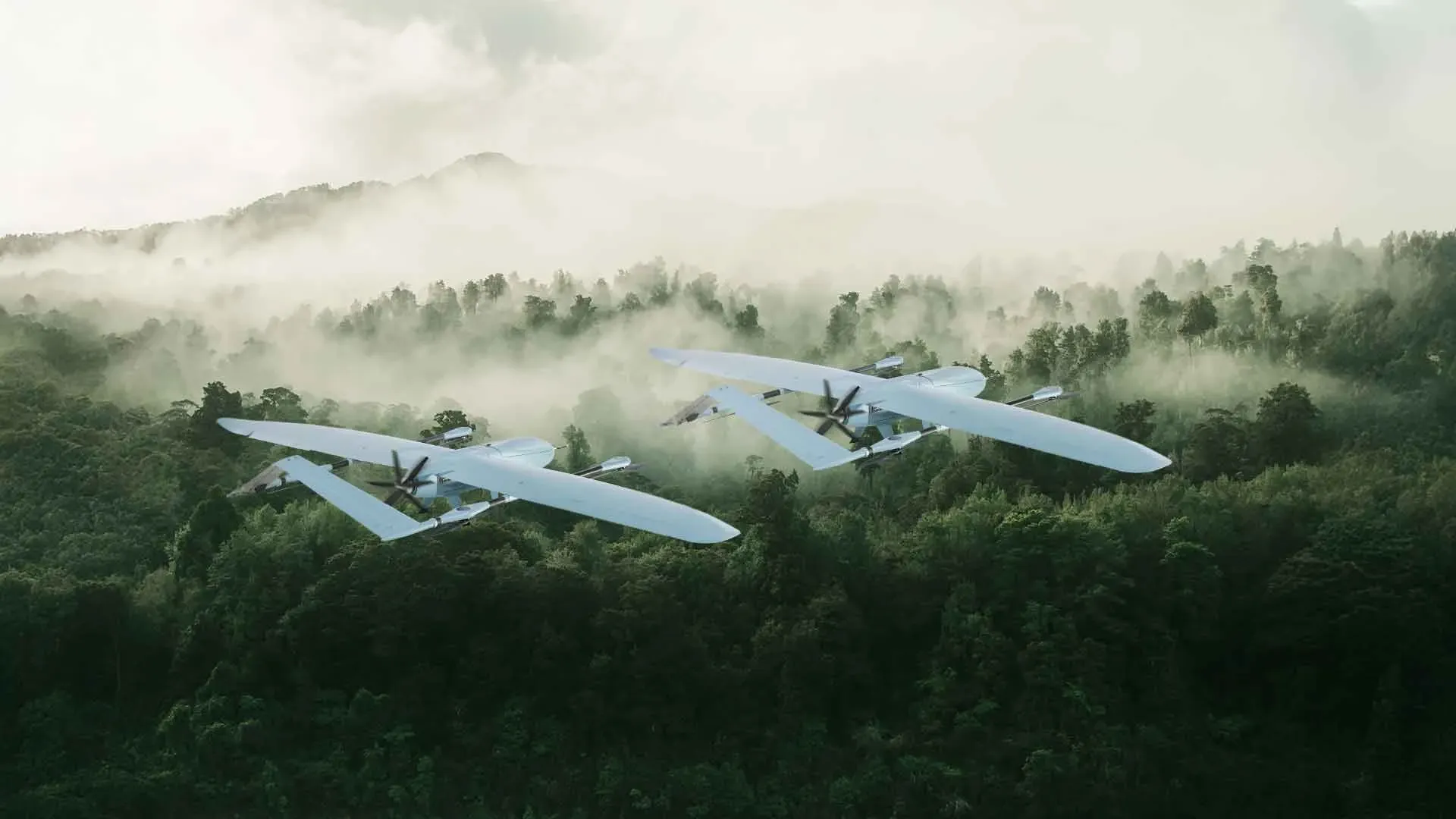
The platform supports a modular payload system, allowing integration of electro-optical, infrared, and specialized mission sensors depending on operational requirements. In addition, BAHA is designed to support swarm operations, enabling multiple UAVs to coordinate and execute missions collaboratively. This combination of autonomy, environmental resilience, and modularity positions BAHA as a versatile UAV platform suitable for both military ISR missions and civilian applications such as environmental monitoring, infrastructure inspection, and disaster response.