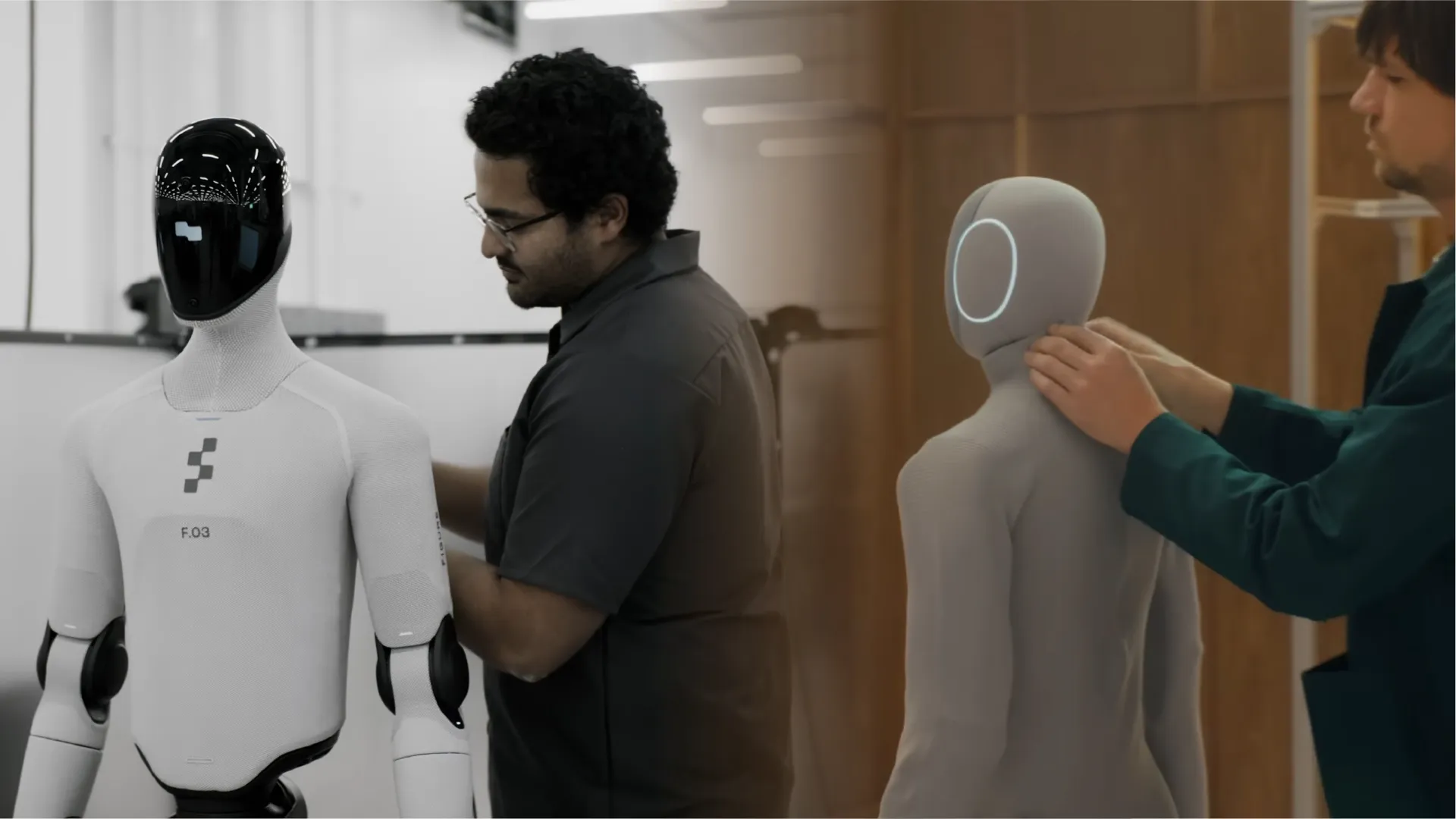
- Figure AI’s BotQ facility is now producing one robot per hour, while 1X Technologies has launched its NEO factory in Hayward to meet 2026 consumer delivery goals.
- Figure 02 wasn't a failure; it was retired to harvest "Data Saturation" from 30,000 cars produced at BMW, paving the mechanical way for the production-ready Figure 03.
- Robotic hardware is following the "Apple Model"—manufacturers are likely to offer trade-in credits for older units to recycle high-value actuators and sensors.
- Thanks to the Helix 02, older hardware remains functional through over-the-air updates, could be allowing Figure 03 to work alongside the Figure 04 in fleet management system.
- This lifecycle strategy isn't just for Figure; it could be the new industry standard for global leaders like 1X, Agibot, and Unitree as they scale toward hundreds of thousands of units.
The race for the "labor-less" future has officially shifted from the lab to the factory floor. As of May 2026, the two titans of the industry, Figure AI and 1X Technologies, have reached their promised land: Mass Production.
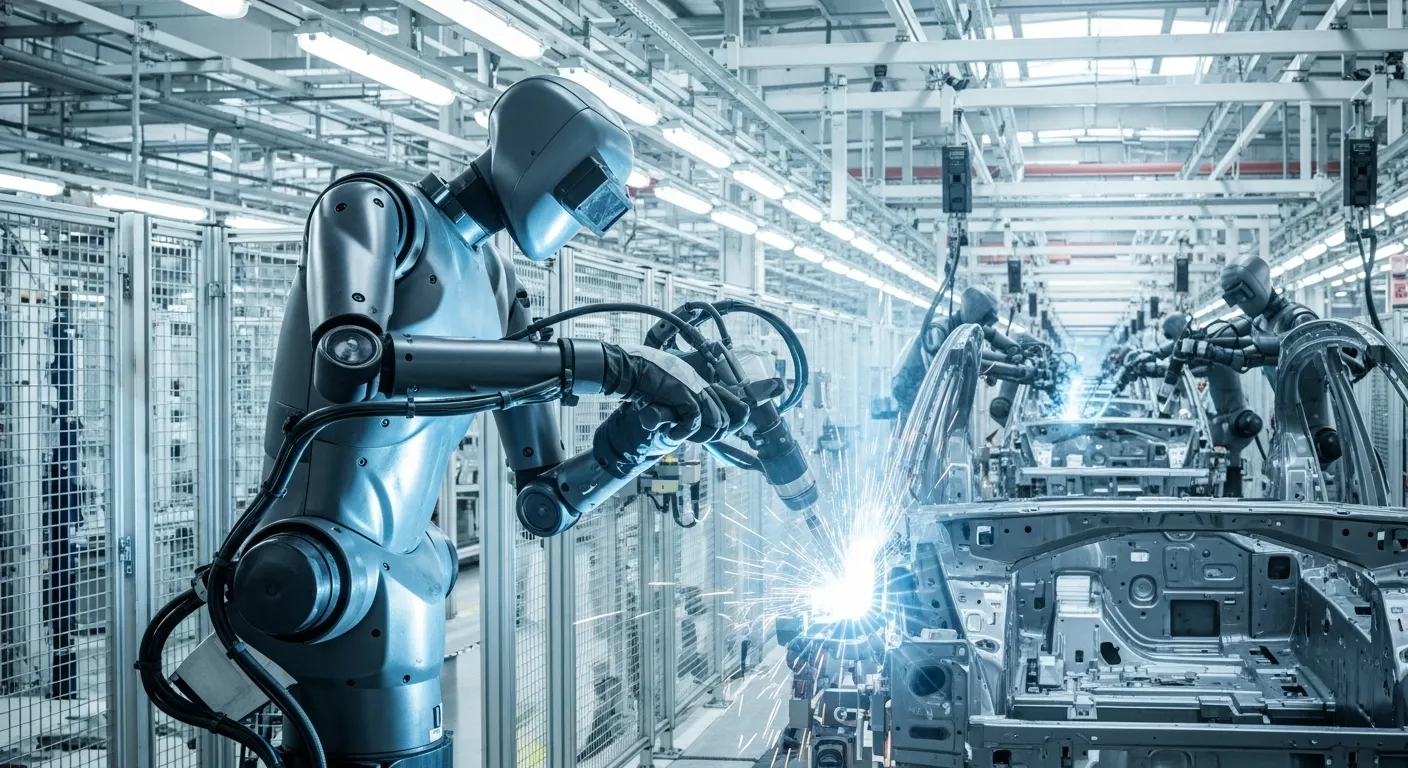
At Figure’s BotQ facility in San Jose, the transformation is staggering. In just the last 120 days, the company has scaled its throughput by 24x. What was once a slow trickle of one robot per day has surged to a rate of one robot per hour. This week alone, the facility is on track to manufacture 55 humanoid robots, pushing total shipments past the 400-unit mark.
Simultaneously, 1X Technologies has officially fired up its NEO Factory in Hayward. With production ramping up since April, 1X is holding firm on its promise: the first consumer-ready NEO units are slated for deployment by late 2026. This momentum isn't limited to the West; global leaders like Agibot (which recently launched its AI World Experience Centre in Malaysia) and Unitree are already shipping thousands of units, with Agibot surpassing the 10,000-robot milestone just this past March.
But as thousands of humanoids begin to march off assembly lines, a pressing question arises: What happens when the next generation arrives? Will these $20,000 investments be recalled, retired, or left to wander around as obsolete relics?
The "Retirement" Myth: Lessons from Figure 02
To understand the future, we must look at the recent past. In late 2025, Figure officially retired the F.02 fleet after an 11-month deployment at BMW’s Spartanburg plant. While the headline "Retirement" might sound like a failure, the reality was a strategic graduation.
The F.02 wasn't retired because it stopped working; it was retired because it had fulfilled its "Data Saturation" mandate. The reasons were three-fold:
- Hardware Stress Testing: The F.02s walked 200 miles and produced 30,000 cars. This "battle-scarring" revealed critical hardware failure points (like wrist electronics and motor heat dissipation) that were directly used to re-architect the Figure 03.
- Edge-Case Collection: The robots were retired once Figure had captured enough "failure data" to train the next iteration of the Helix AI model.
- Prototype vs. Product: The F.02 was a testbed. The Figure 03, however, is the first machine designed with serviceability and mass-market longevity in mind.
A Universal Industry Challenge
This "upgrade anxiety" isn't unique to Figure. It applies to 1X, Tesla, Agibot, and Unitree alike. As hardware cycles move faster than ever, manufacturers are adopting a "Silicon Valley" approach to heavy machinery.
The "Trade-In" Hypothesis (The Apple Model)
Humanoid robots are packed with high-value components—specialized actuators, custom batteries, and advanced sensors. It could highly likely that manufacturers will offer "Cycle-Up" programs. Just as you trade in an iPhone, owners could trade in a Figure 03 or a 1X NEO for a significant credit toward the next model.
- The Refurbishment Market: These "retired" units can be sent back to factories like BotQ or the NEO Factory for refurbishment and sold to secondary markets (schools, small labs, or hobbyists) as "Certified Pre-Owned," ensuring a circular economy.
One Brain, Many Bodies: Software Continuity
Perhaps the most reassuring factor is that modern humanoids are software-defined.
- Universal Brains: Because models like Figure’s Helix 02 or 1X’s World Models are neural architectures, a "skill" learned by a Figure 04 can be compressed and pushed to a Figure 03 via an over-the-air update.
- Fleet Synergy: In the future, your home or factory won't just have the "newest" robot. You will likely manage a heterogeneous fleet. Your older Figure 03 can handle heavy, repetitive chores while your newer Figure 04 handles high-dexterity tasks, with both robots sharing a local map and a unified user profile.
Verdict: A Legacy of Intelligence
We are moving away from the era of "disposable" tech. With modular skins, replaceable parts, and cloud-assisted intelligence, the current generation of mass-produced humanoids is being built to age gracefully.
Whether you trade it in for the next generation or keep it as a trusted worker, a Figure 03 or a 1X NEO isn't just a robot, it’s the beginning of a decade-long partnership in embodied AI.
About the author