
Enquire about Robot

Simply fill up the form, our team will then reach out to you to connect to the relevant parties who can help facilitate your request.

Brand & Model
All fields required. Refer to our privacy policy for questions.
Thank you! Your submission has been received!
Oops! Something went wrong while submitting the form.
HomeRobots

Matrix-3

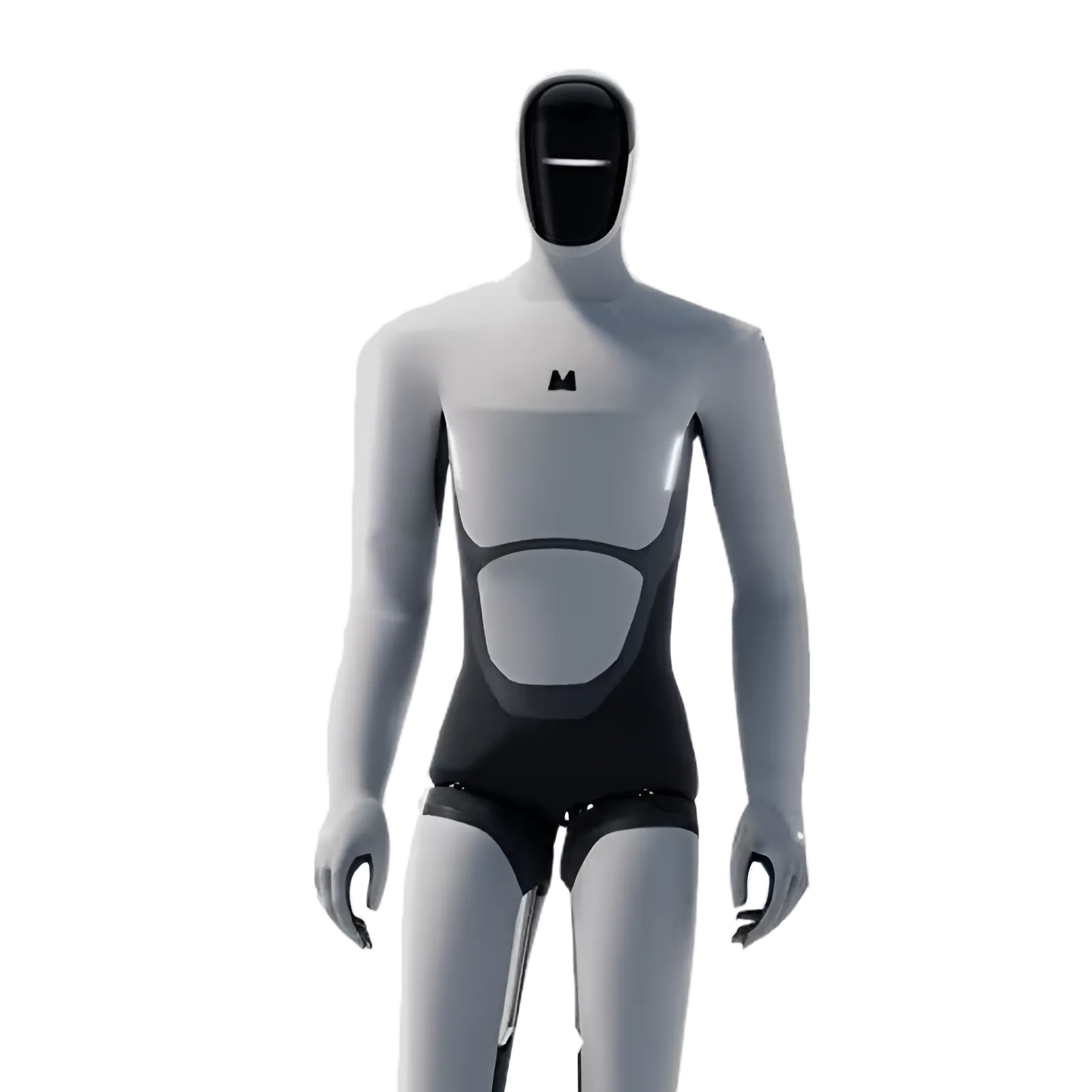
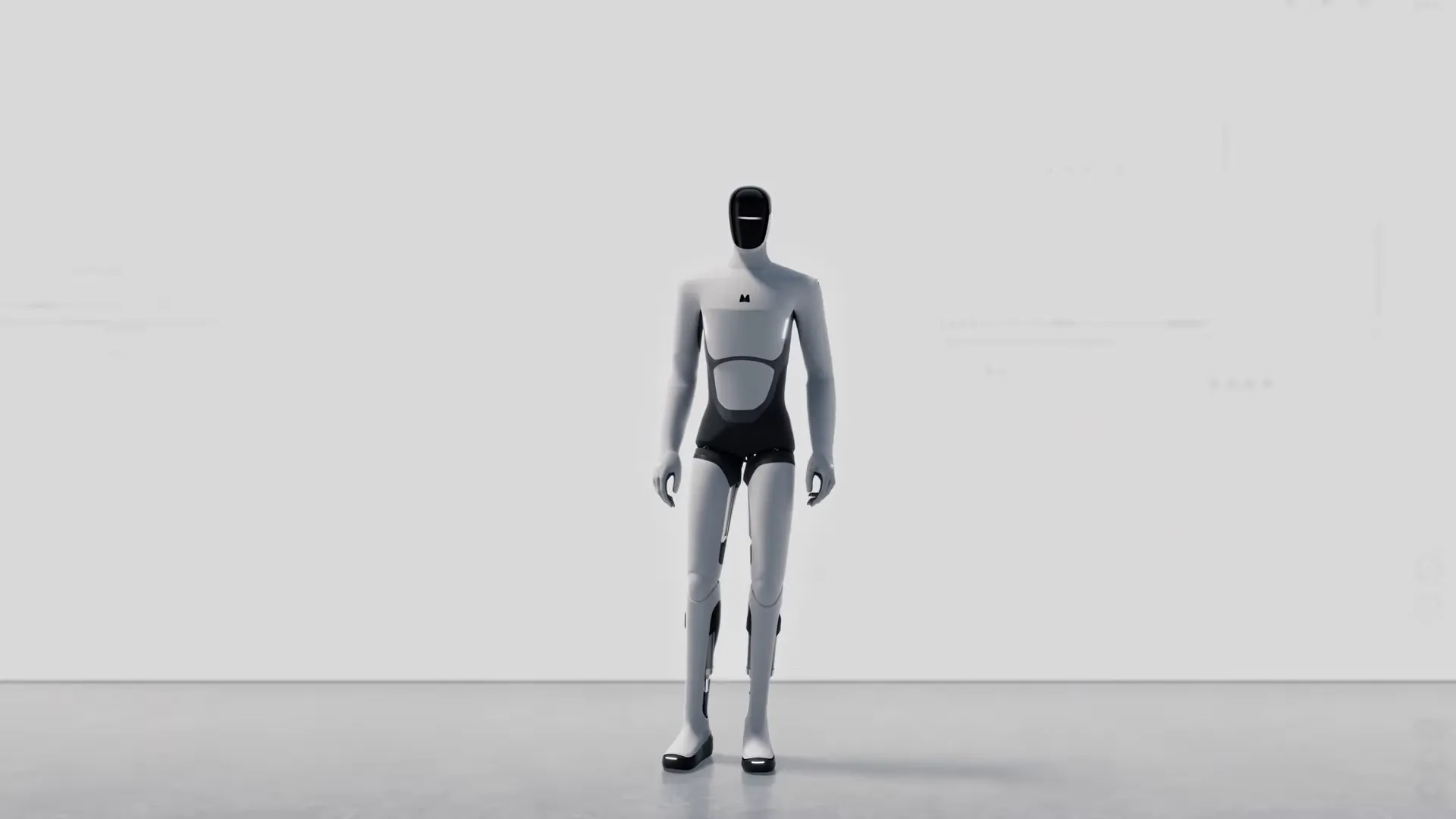
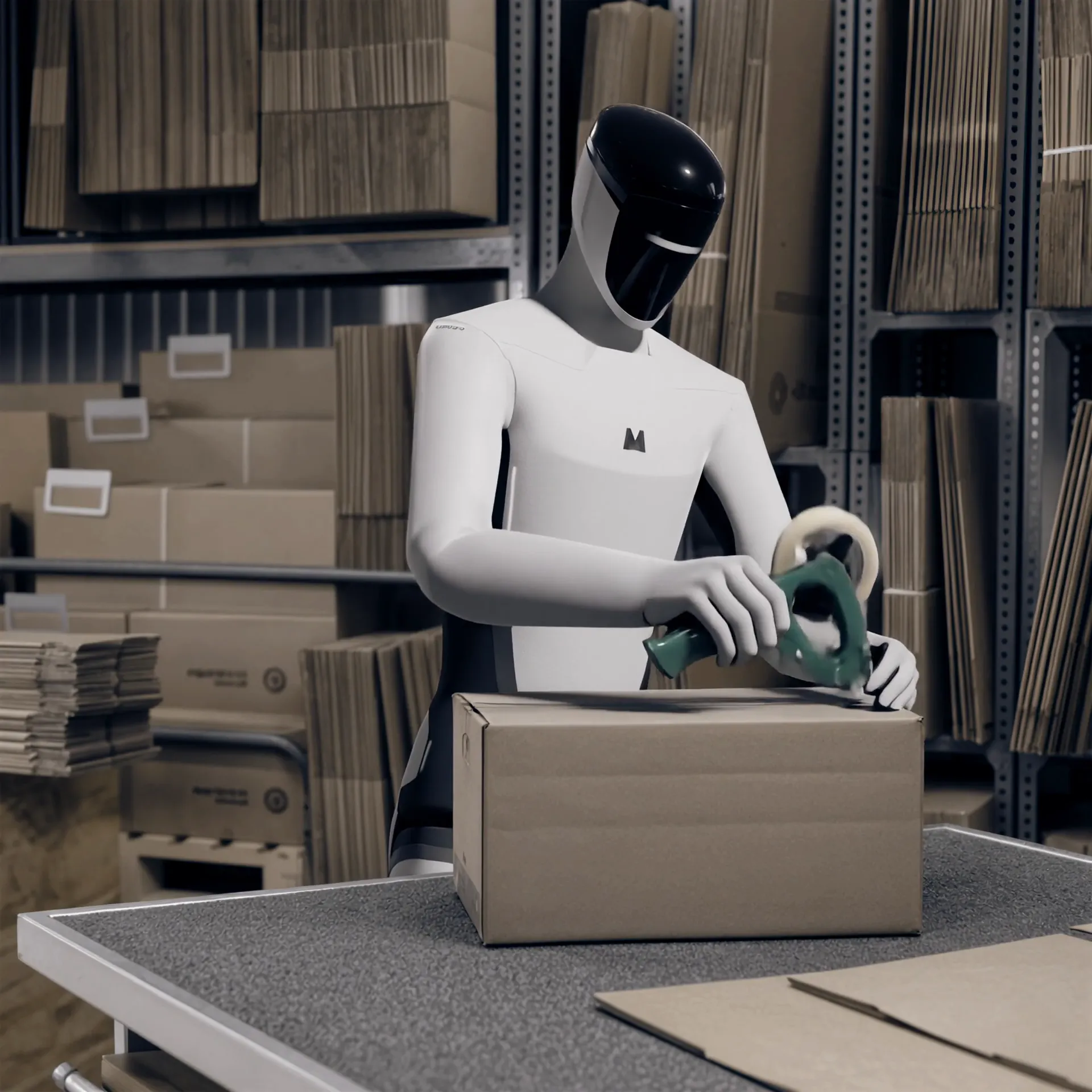
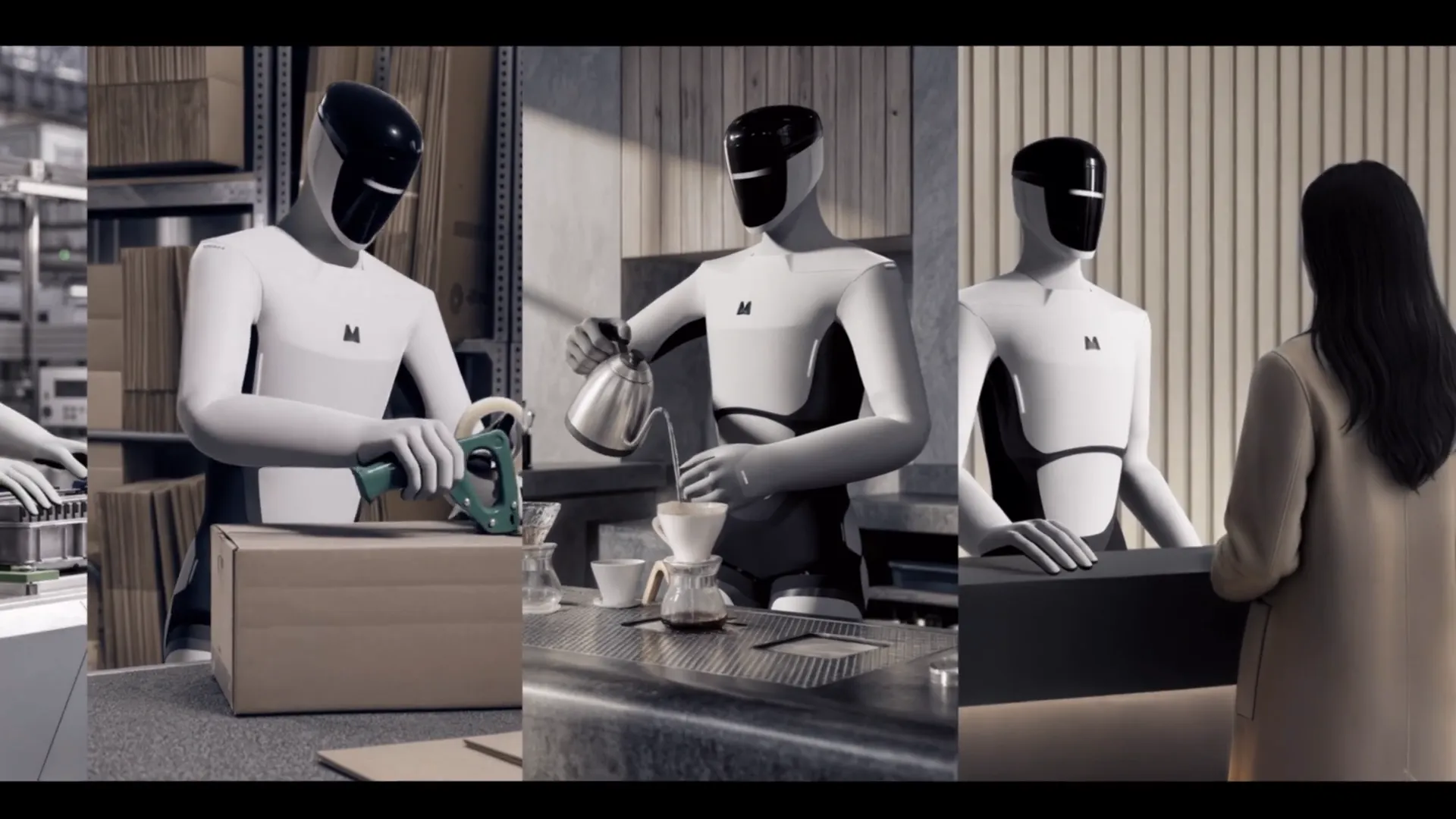
Matrix-3 is an advanced humanoid robot with human-like mobility, autonomous perception, dynamic motion and embodied intelligence for real-world task execution.
Software Type
Closed Source
Software Package
Powered by a proprietary neural network architecture developed by Matrix Super Intelligence.
Actuators
Uses proprietary integrated linear actuators that combine high power density with low-noise operation.
Compiute
Sensors
Max Op. time
mins

Recent Robot Videos

*Aparobot claims no ownership of videos posted unless otherwise stated.
Description text
Date

Robot Brief

The MATRIX-3 is the flagship third-generation AI humanoid robot from Matrix Robotics, designed to achieve general-purpose physical intelligence in unstructured, real-world environments. It advances the company’s vision of robots capable of understanding human goals, reasoning about physical space, and executing complex multi-step tasks autonomously, combining cutting-edge biomimetic sensing, dexterous manipulation, and embodied AI reasoning into a unified platform that bridges perception, decision-making, and action. MATRIX-3 is tailored for deployment where human-like understanding and interactive capabilities are essential, such as service, industrial automation, and collaborative environments.

Use Cases

  • Adaptive Locomotion:
    Walks, turns, and climbs with fluid, natural motion that approximates human gait.
  • Environment Understanding & Task Planning:
    Perceives surroundings, breaks down high-level goals into actionable sub-steps, and completes sequences of physical tasks.
  • Embodied Intelligence Execution:
    Integrates perception, decision making, and action in a single cognition loop, enabling real-world task performance.
  • Context-Aware Operation:
    Intends to recognize and react to dynamic elements in environments (inferred from perception + action emphasis)

Industries

  • General-Purpose Robotics:
    Aiming to shift humanoid robots from research demos to practical, operational platforms.
  • Manufacturing & Industrial Automation:
    Potentially address labor shortages with adaptable, multi-task machines.
  • Service & Commercial Roles:
    Could support logistics, facility tasks, or onsite assistance.
  • Research & AI Integration:
    Platform for pushing embodied AI research (vision-language‐action loops).

Specifications

Length
-
mm
Width
-
mm
Height (ResT)
-
mm
Height (Stand)
-
mm
Height (Min)
-
mm
Height (Max)
-
mm
Weight (With Batt.)
-
kg
Weight (NO Batt.)
-
kg
Max Step Height
-
mm
Max Slope
+/-
-
°
Op. Temp (min)
-
°C
Op. Temp (Max)
-
°C
Ingress Rating
-
No items found.

Intro

The MATRIX-3 is Matrix Robotics’ third-generation flagship humanoid robot engineered to transition from scripted industrial machines into truly autonomous, general-purpose physical intelligence agents that can operate naturally in human environments. Announced in January 2026, MATRIX-3 represents a systematic reconstruction of both hardware and software, integrating innovations in materials science, perception systems, locomotion mechanics, and foundational AI to deliver a robot capable of understanding and adapting to the physical world and human intent rather than merely executing pre-programmed sequences.

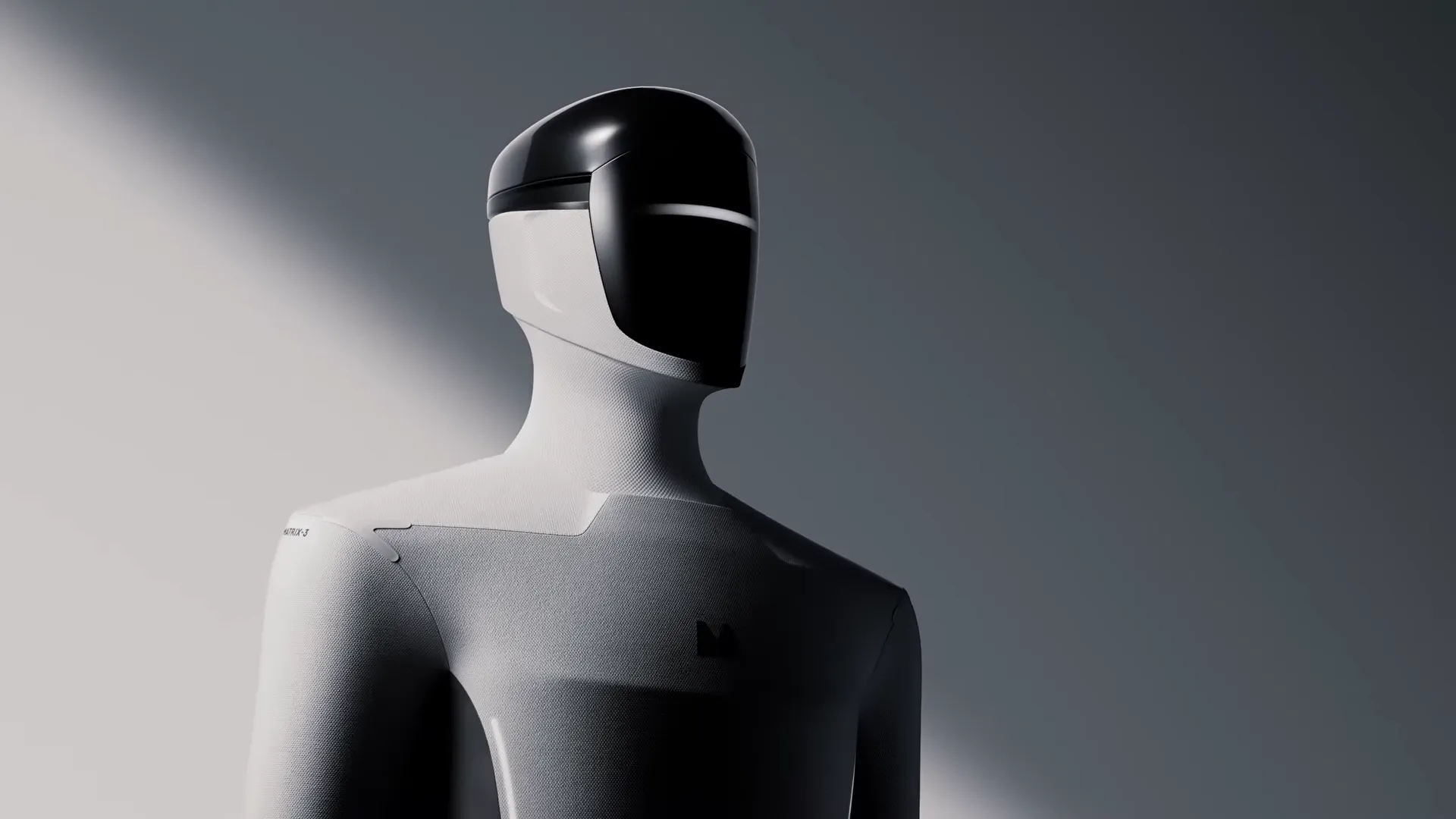
At its core, MATRIX-3’s design prioritizes safe, nuanced interaction with humans and objects. A pioneering biomimetic architecture wraps the robot in a flexible, 3D-woven skin that not only delivers a more human-centered aesthetic but also embeds high-dimensional tactile sensing across its contact surfaces. At the fingertips, a high-sensitivity tactile sensor array detects pressure as low as 0.1 N, enabling the robot to perceive even the subtlest physical interactions. This tactile intelligence is fused with an upgraded multimodal vision system powered by a large-scale spatial perception foundation model, forming a tightly coupled visual-tactile feedback loop. Together, these systems allow MATRIX-3 to judge material properties, surface geometry, and grip stability in real time, adapting force, posture, and motion dynamically to handle fragile, deformable, or flexible objects with a level of touch intuition approaching human tactile perception.

The movement and manipulation systems on MATRIX-3 have also seen substantial evolution. The robot’s 27 DoF dexterous hand mirrors human hand anatomy closely, using lightweight cable-driven actuators that deliver high-speed, high-precision motion. This enables the robot to handle tools, operate delicate instruments, and manage complex manipulation tasks, including grasping fragile or flexible items like fabric. The humanoid’s full-body motion is supported by advanced biomimetic joints and integrated linear actuators that provide stable, agile, and natural gait patterns based on human motion-capture datasets, resulting in walking and navigation that appears fluid and humanlike rather than robotic

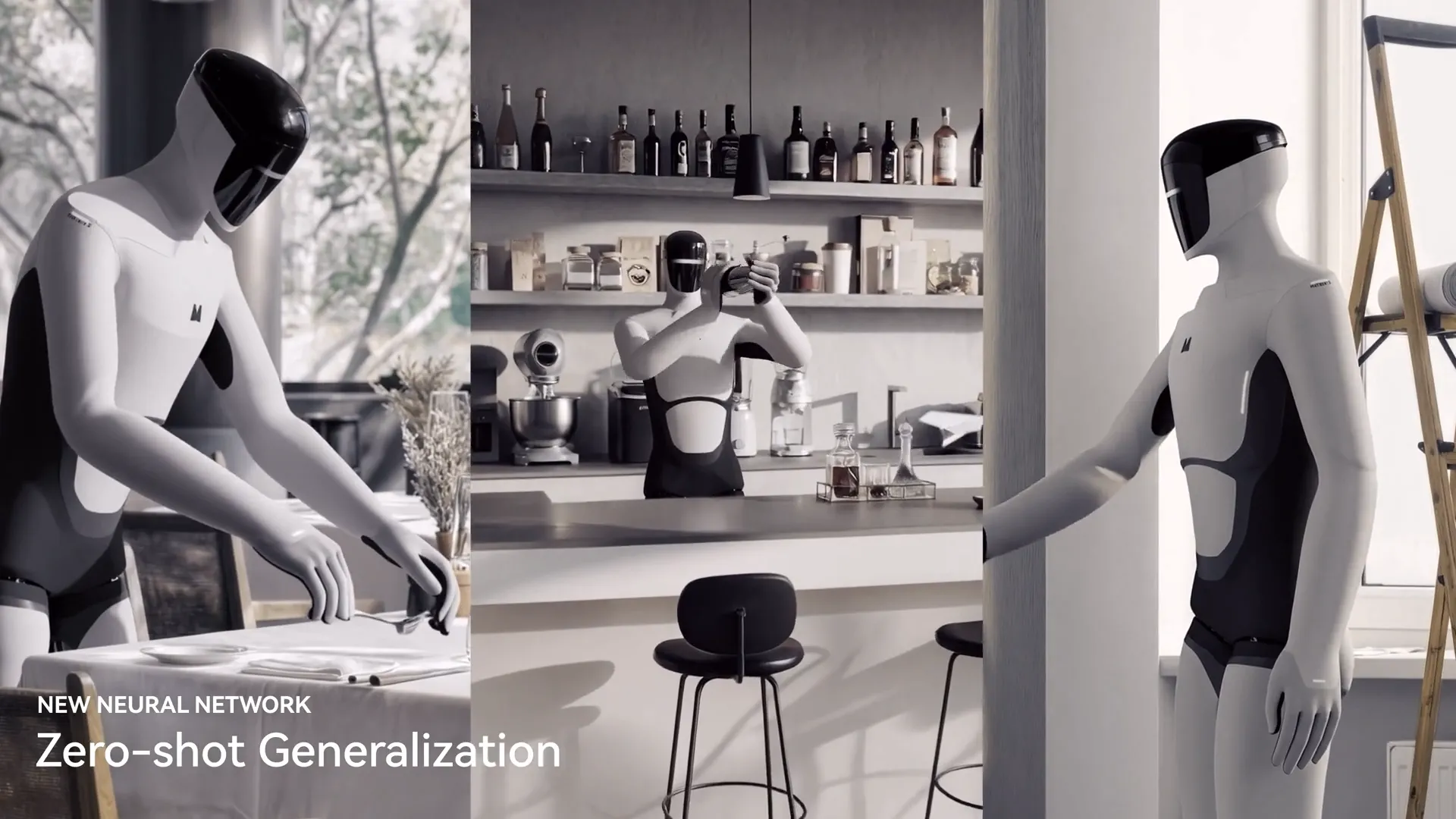
What truly sets MATRIX-3 apart is its cognitive core, powered by a proprietary neural network architecture developed by Matrix Super Intelligence. Rather than requiring task-specific training for every new action, the robot demonstrates zero-shot generalization, meaning it can follow natural language instructions and apply fundamental physical reasoning in previously unseen environments without prior data exposure. This allows it to plan complex manipulation strategies, avoid obstacles autonomously, and adapt force and posture in real time during task execution, achievements that signal a significant leap toward practical embodied AI.

Overall, MATRIX-3 exemplifies a new breed of humanoid robots in which biomimetic touch, dexterous manipulation, and generalizable cognitive reasoning are fused to operate safely and effectively alongside people in commercial, logistics, manufacturing, medical, and even home environments.

Connectivity

Capabilities

  • Embodied Reasoning:
    AI continuum linking perception, planning and task execution.
  • Dexterous Manipulation:
    Precise object interaction through fine actuation.
  • Perception-driven Motion:
    Adapts movement based on real-tome sensor feedback.