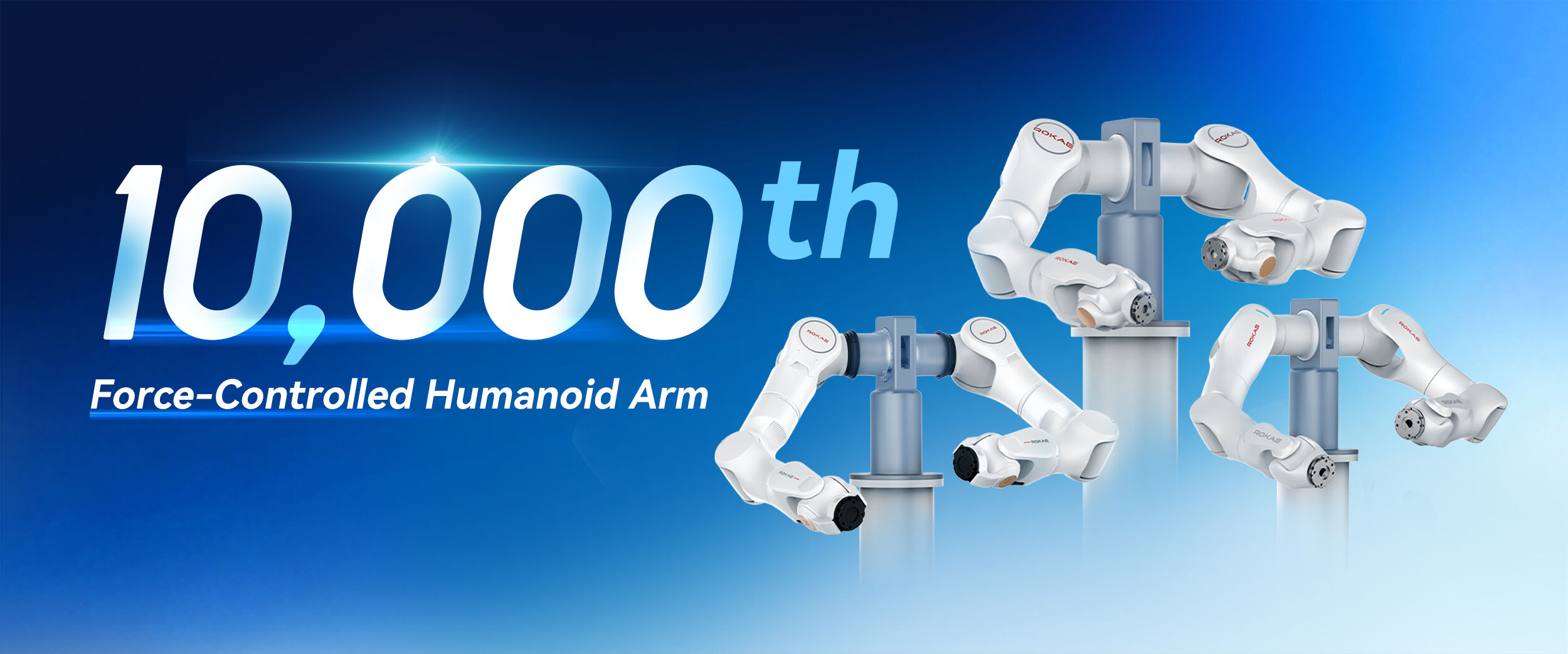
- 10,000th humanoid force-controlled arm left ROKAE's Shandong base in September 2026
- More than 80 industrial partners use the arms in production, according to ROKAE
- Five Helios wheeled humanoids work at Schaeffler's Taicang factory
- No price or lead time published
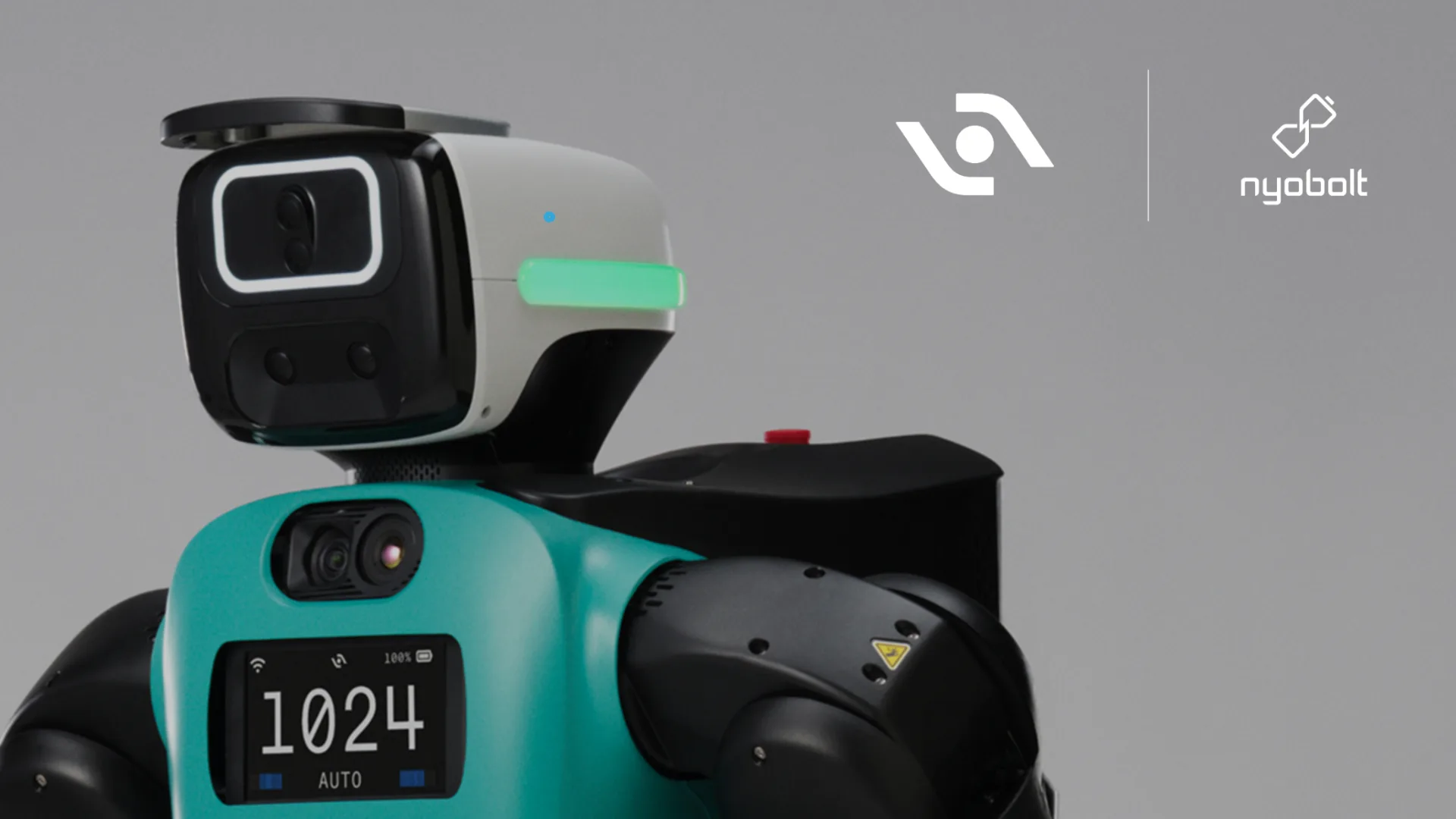
ROKAE Robotics, a Beijing-based arm maker listed in Hong Kong, says it has delivered its 10,000th humanoid force-controlled arm, according to a release dated 26 October 2026. The milestone unit left its Shandong production base in September. The count covers arms built for humanoid and dual-arm robots only, not ROKAE's industrial or collaborative robots. The release also names one deployment: five ROKAE Helios wheeled humanoids working on an assembly line for humanoid robot components at Schaeffler's factory in Taicang, China.
Why it matters
Most humanoid news counts whole robots. This is a count of one of the parts that every humanoid needs.
ROKAE says more than 80 industrial partners have built its arms into production applications. That suggests a supply market is forming where robot makers buy arms rather than design their own, which can shorten development time and spread costs. For a buyer, it also means two robots with different brand names may share the same arm hardware, so the arm supplier is worth asking about.
The Schaeffler detail fills a gap. When Schaeffler opened its Taicang lighthouse factory on 20 October, it did not name the maker of the humanoids on the line. ROKAE now says five Helios units with its AR Series arms handle parts, assembly and inspection there. Humanoids Daily notes that Schaeffler's earlier material referred to six humanoids, and neither company has explained the difference.
What is proven: a cumulative delivery figure from the manufacturer, and a named factory deployment. What is not public: the split between customers, how many arms are in daily production use rather than research labs, the arm price, lead time, payload per arm model, and the Taicang line's output or intervention rate. No unit price has been published for the AR Series or for Helios.
The use cases touched are manufacturing, specifically assembly and part handling, and in-line inspection.
What joint-level force control does
A conventional industrial arm is position-controlled. It is told to move to a point and it gets there, regardless of what is in the way. That is why most industrial arms work behind fences.
A force-controlled arm measures the force or torque at each joint, usually with a torque sensor built into the joint, and uses that reading in its control loop. This allows a method called impedance control: instead of holding a fixed position, the arm behaves like a spring with a set stiffness. Push it and it gives way by a predictable amount. Meet resistance and it can slow, stop or adjust.
A concrete example is inserting a bearing into a housing. With position control alone, a small misalignment can jam the part or damage it. With force control, the arm feels the contact force rise, eases off and nudges the part sideways until it slides in. The same sensing helps the arm detect an unexpected collision with a person.
ROKAE says its AR Series has force control at every joint, and its MAC controller can run seven joints for one arm, 14 for a pair, or more than 20 across a full humanoid. The release does not give force resolution or accuracy, which is the figure that decides how delicate a task the arm can do.
Aparobot's view: arm volume is a better early indicator of humanoid supply than robot announcements, but only if makers start reporting how many units are in paid daily use.
Questions to ask the vendor
- Of the 10,000 arms delivered, how many are in paid production use, and how many went to research or development customers?
- What force or torque resolution does each AR Series joint achieve, and how often does it need recalibration?
- Which Helios version runs at Schaeffler Taicang, and how often do staff intervene per shift?
- What is the lead time and price for a pair of AR Series arms with the MAC controller, bought without a full robot?
Sources
- ROKAE Robotics, "ROKAE delivers its 10,000th humanoid force-controlled arm", PR Newswire UK, 26 October 2026
- Humanoids Daily, "ROKAE Reports 10,000 Humanoid Arms Delivered, Identifies Schaeffler Factory Deployment", 26 October 2026
- ROKAE, Helios wheeled dual-arm robot product page, read 27 October 2026
- Aparobot, Helios robot record
About the author