
Intro
AeroVironment is a pioneering American defense technology company that leads the development of intelligent robotic and autonomous systems for military, government, and commercial customers. Founded in 1971 by visionary aerospace engineer Paul B. MacCready Jr., the company has evolved into a globally recognized innovator in unmanned aircraft systems (UAS), autonomous solutions, and advanced unmanned technologies. Its products are designed to deliver real-time situational awareness, precision capabilities, and adaptable performance across diverse operational environments.
The firm’s legacy spans decades of cutting-edge engineering, from early human-powered aircraft research to state-of-the-art unmanned systems used by defense and security forces. AeroVironment’s portfolio blends robotics, AI, autonomy software, and robust hardware to enable mission success from tactical reconnaissance to precision strike and counter-UAS operations.
Operating at the intersection of robotics and national defense, AeroVironment also expands into emerging domains such as high-altitude pseudo-satellites (HAPS), counter-unmanned aerial system technologies, electronic warfare, and next-generation space communications. Its offerings support both present-day battlefield needs and future-focused autonomous systems that redefine how defense and security missions are executed.
Backed by a diversified portfolio and sustained demand from global defense partners, AeroVironment continues leveraging innovation to drive autonomous capabilities that empower users with faster decision support, remote operation, and advanced mission adaptability, strengthening security and situational dominance worldwide.
Robots
- Raven UAS:
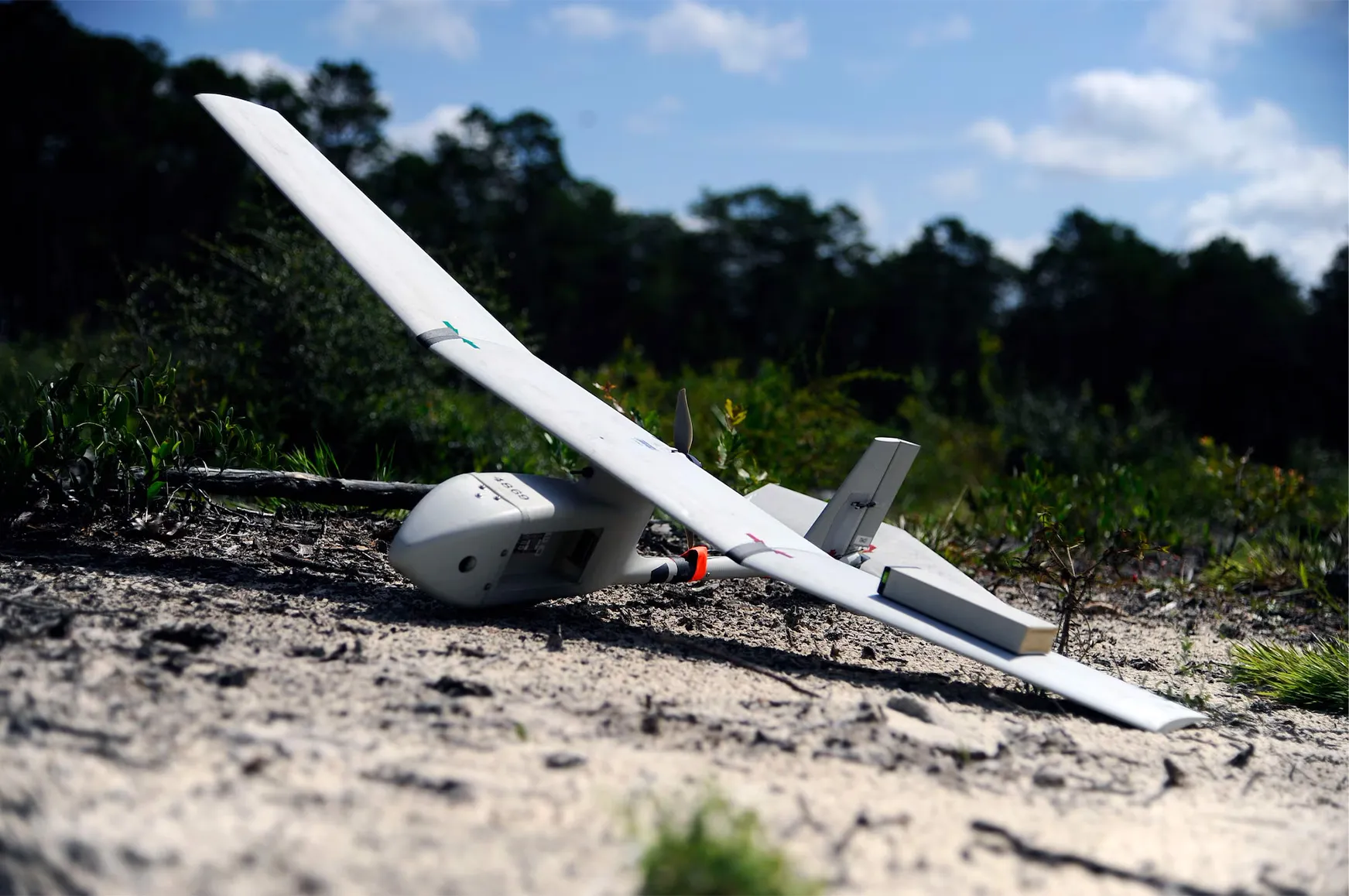
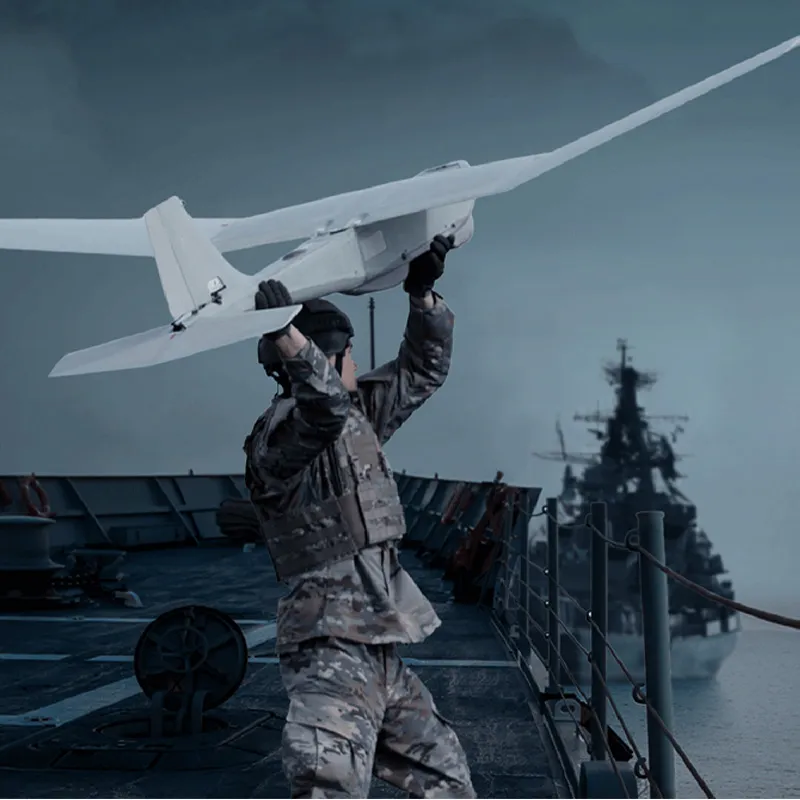
Lightweight, hand-launched tactical unmanned aircraft for reconnaissance and surveillance missions. - Wasp and Puma UAS:
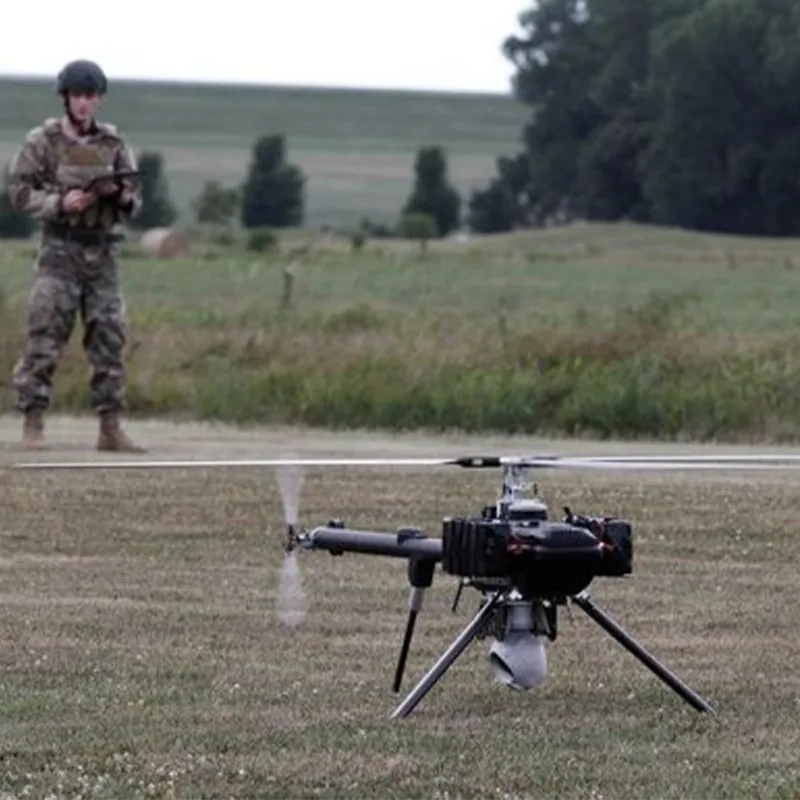
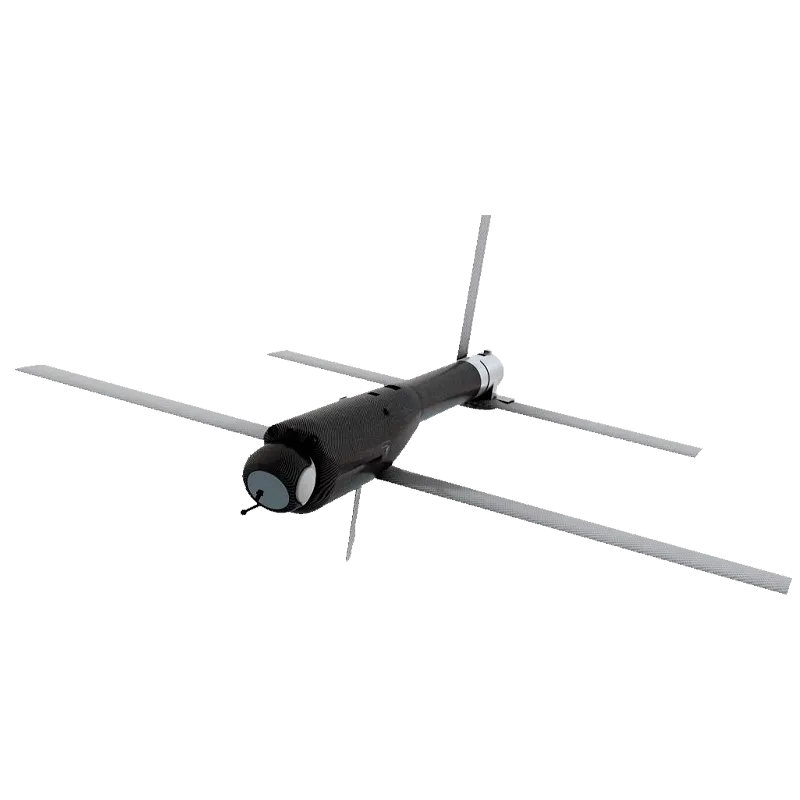
Portable drones with extended sensing range for battlefield intelligence. - Switchblade Loitering Munition Systems:
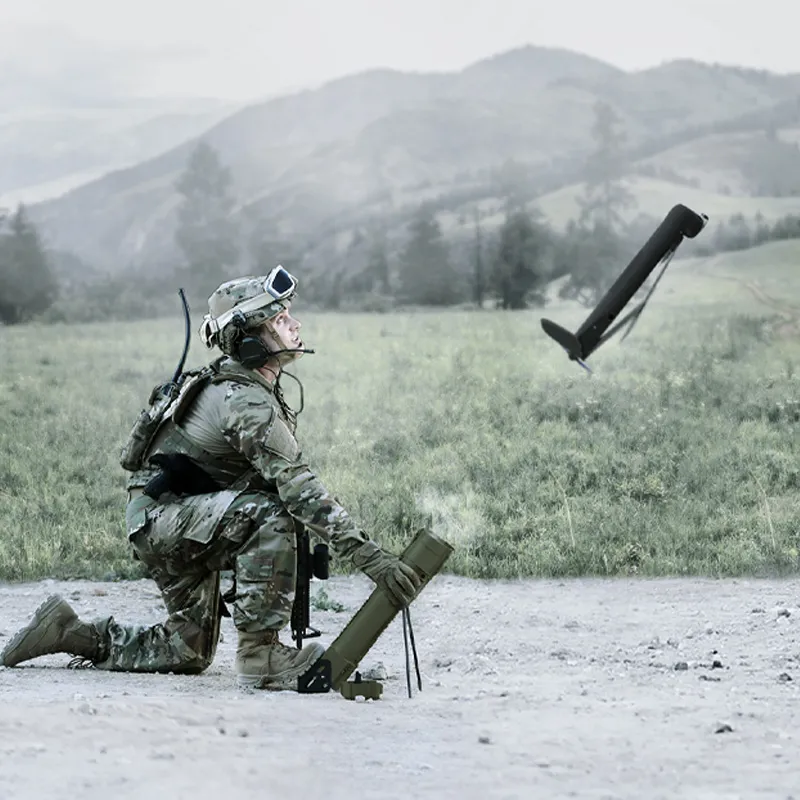
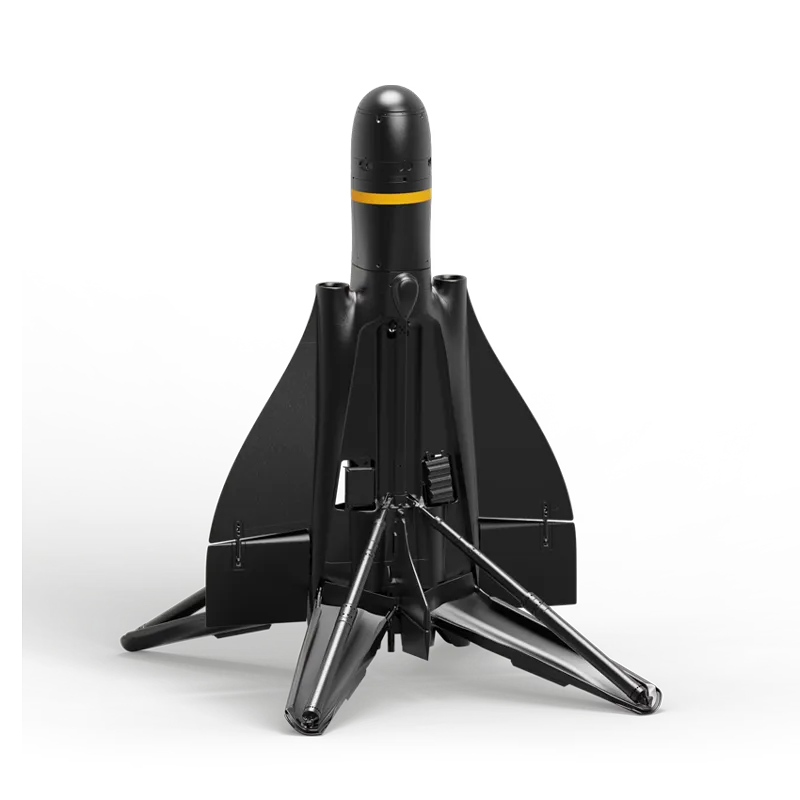
Tube-launched, autonomous strike systems that extend precision loitering and strike capability. - Nano Hummingbird:
Experimental nano-UAV designed to mimic biological flight for close-range surveillance. - Counter-UAS & Directed Energy Systems:
Laser and sensor solutions to detect and defeat aerial threats. - High-Altitude Pseudo-Satellites (HAPS):
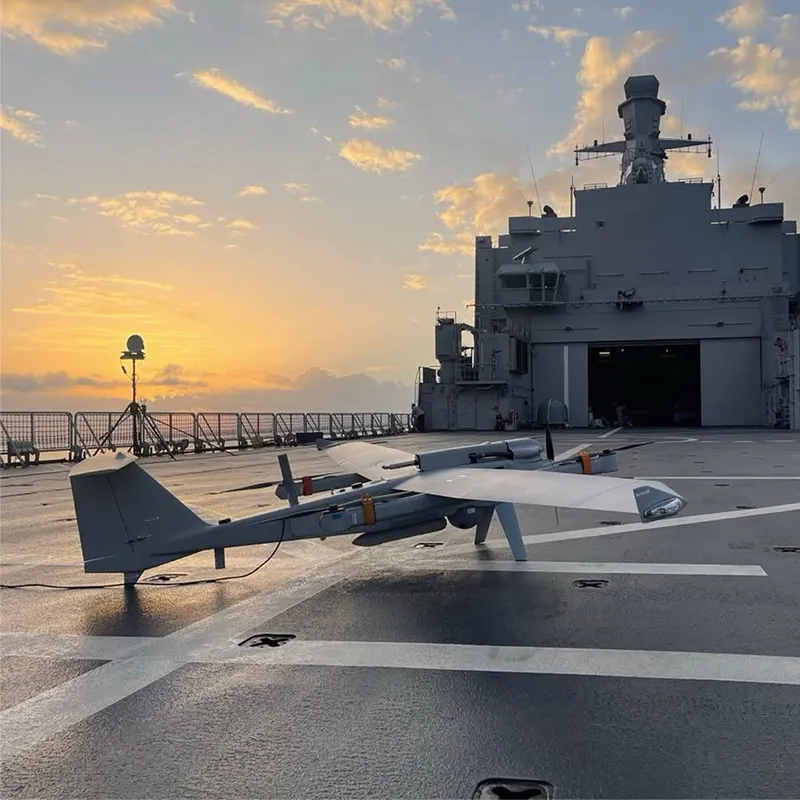
Long-endurance autonomy platforms for high-altitude surveillance and communications.
Specialism
- Autonomous Flight & Robotics:
Leading developers of autonomous unmanned aerial systems with advanced navigation and AI control. - Tactical Loitering Munition Robotics:
Precision autonomous strike platforms integrated with real-time targeting. - Counter-UAS & Directed Energy:
Platforms designed to detect, track, and neutralize aerial threats using AI and high-energy systems. - Space & High-Altitude Autonomy:
Robotics systems for near-space operations and long-duration sensing.
Business Viability
AeroVironment has maintained strong business viability as a leading defense robotics and autonomy provider. Its established position as a supplier to the U.S. Department of Defense, allied military partners, and government agencies anchors consistent demand for its unmanned systems. Continued growth in defense budgets, escalating interest in autonomous capabilities, and expanding defense modernization programs support its long-term revenue trajectory.
The company’s strategic acquisitions—such as the major purchase of BlueHalo—signal an aggressive push into broader defense technologies including space, cyber, directed energy, and AI-driven command platforms, enhancing revenue diversification and future growth potential. Recent strong contract awards and analyst support reflect confidence in sustained expansion in autonomy and defense robotics sectors.
However, as with all defense contractors, AeroVironment’s financial performance can be affected by geopolitical shifts, international contract cycles, and budget allocations (as seen with variable demand impacts). Still, its long heritage, deep engineering expertise, and evolving portfolio position it well to capture increasing global demand for advanced unmanned and autonomous technologies.