
Intro
General Dynamics Mission Systems is a leading defense and aerospace technology business unit of General Dynamics, focused on engineering and delivering mission-critical systems, secure communications, and integrated sensor solutions across land, sea, air, space, and cyber domains. Established in 2015 through the merger of General Dynamics’ Advanced Information Systems and C4 Systems subsidiaries, Mission Systems has grown into a global organization supporting national defense, intelligence, and public safety missions with advanced hardware and software technologies.
The division’s portfolio spans robust communications networks, tactical radios, satellite ground systems, command-and-control (C4ISR) platforms, and secure data links that enable real-time decision support and situational awareness for military and allied operations. Its engineering emphasis on secure, interoperable systems allows military users to sense, share, and act on critical information reliably in contested environments. Mission Systems also develops advanced autonomy, deep-learning algorithms, and secure computing platforms that enhance operational effectiveness and resilience for modern defence architectures.
In addition to terrestrial defense capabilities, the unit supports spaceborne communications, satellite ground systems, and strategic system integrations—such as the Proliferated Warfighter Space Architecture ground systems development. High-value contracts with government agencies, including the Space Development Agency and U.S. Department of Defense programs, reflect its role in developing next-generation mission architectures.
Operating globally with facilities and subsidiaries in Canada, the United Kingdom, and allied countries, Mission Systems integrates complex systems to meet evolving national security challenges, emphasizing secure, resilient, and interoperable technology solutions for defence, intelligence, and civil government customers.
Robots
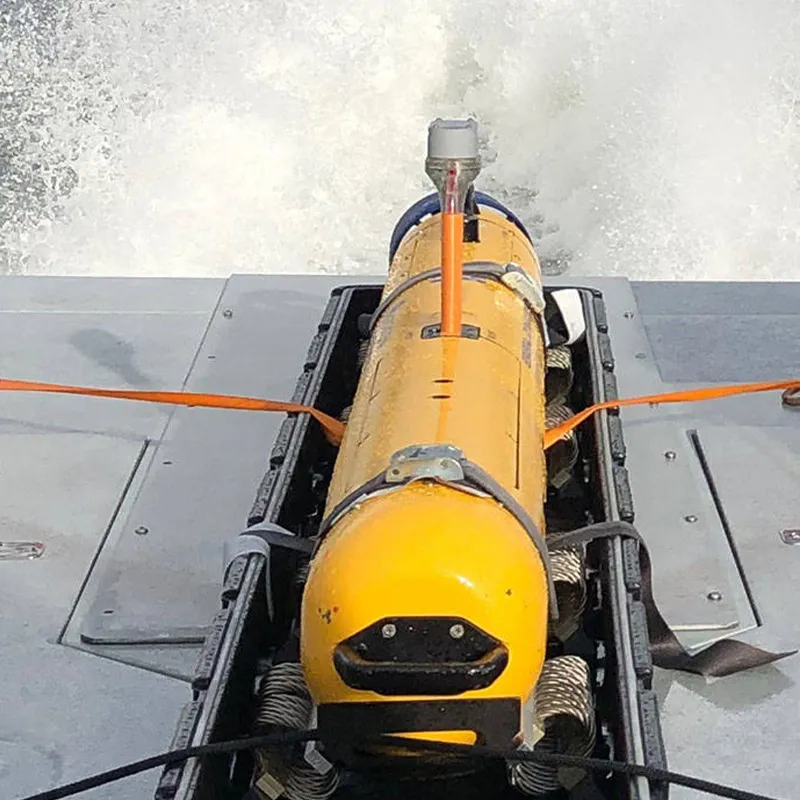
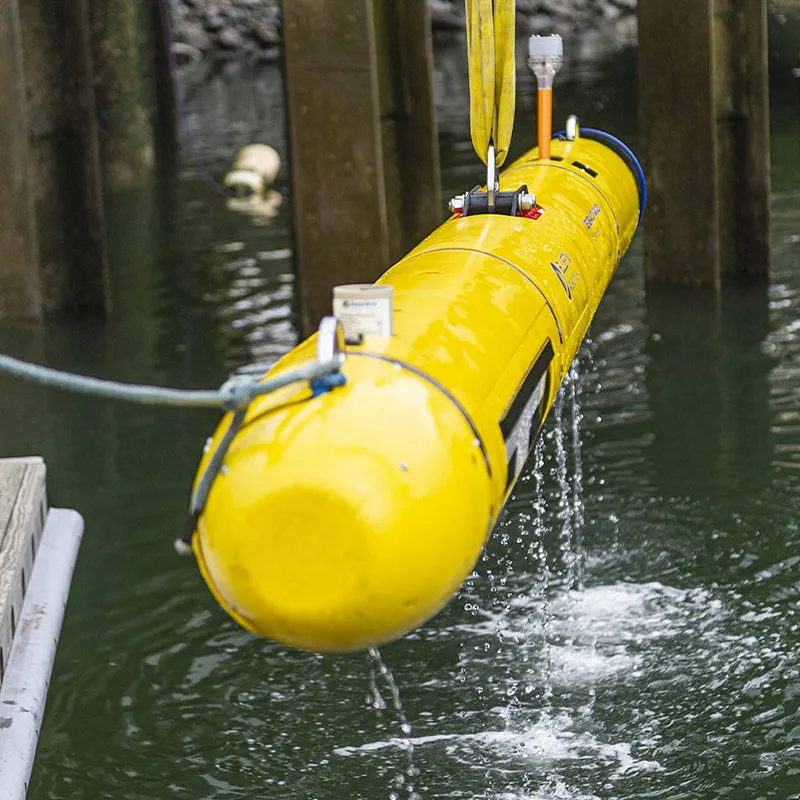
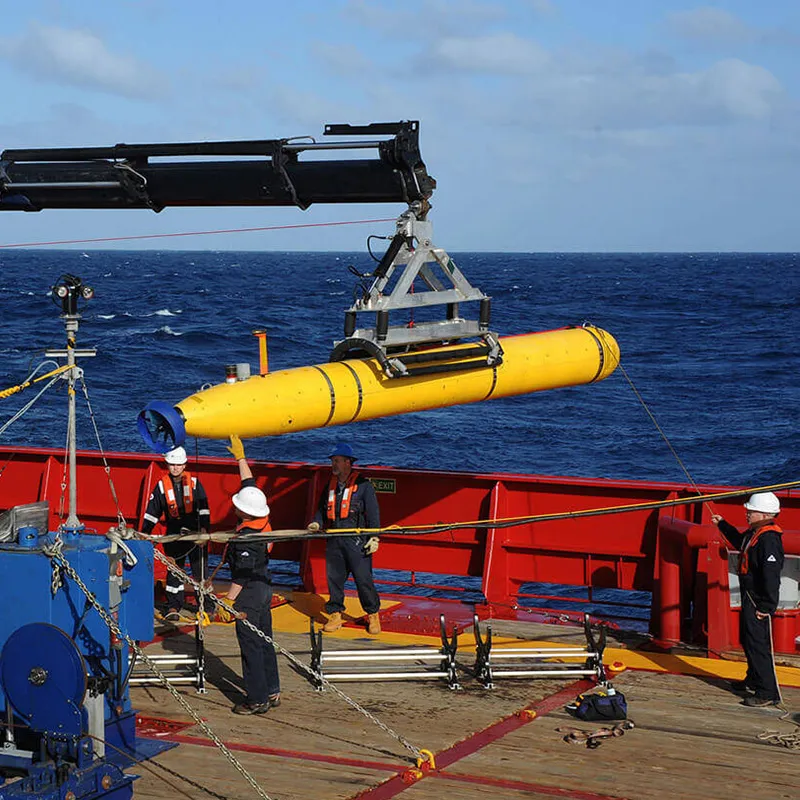
- Bluefin Unmanned Underwater Vehicles (UUVs):
Autonomous submersibles acquired through Bluefin Robotics, designed for oceanographic, defense, and commercial missions with modular sensor payloads
Specialism
- Autonomy in unmanned maritime systems (UUVs) for underwater ISR and environmental mapping.
- Secure communications and sensor fusion enabling robotic and autonomous platforms to share data securely.
- AI-enhanced decision support and autonomy layers embedded within sophisticated mission systems.
- Space and satellite systems integration supporting autonomous operations in orbit and ground control.
Business Viability
General Dynamics Mission Systems benefits from being part of one of the largest U.S. defense contractors, leveraging deep integration with government and allied defense budgets and long-term procurement cycles. Its broad portfolio of secure communications, embedded autonomy systems, and mission-critical platforms ensures continued demand as defense modernization accelerates globally, particularly for C4ISR, secure networks, and autonomous maritime and space mission systems.
Recent high-value contracts—such as the nearly $492 million Space Development Agency ground systems contract—highlight its strategic role in next-generation defence architectures and justify confidence in sustained financial performance and relevance in the national security sector.
However, technology cycles in defense are long and complex, requiring sustained innovation, compliance with export controls, and close alignment with government procurement priorities. Continued investment in autonomy, secure communications, and trusted computing will be critical to maintaining competitive edge against other major defence systems integrators.