Intro
Zeroth Robotics is an AI robotics company focused on developing embodied intelligence platforms spanning humanoid, mobile, and developer-oriented robotic systems. Operating under Suzhou JoyIn Intelligent Technology Co., Ltd., the company positions itself at the intersection of consumer robotics, advanced motion systems, and large-scale commercialization, with an emphasis on deploying practical, interactive robots into real-world environments.
The company is led by CEO Guo Renjie, a veteran executive in the home robotics industry. Guo entered Xi’an Jiaotong University at the age of 15 and holds academic training across engineering, economics, and financial economics. Prior to founding Zeroth Robotics, he worked at Procter & Gamble and later served as China President of Dreame, where he led an organization of over 1,500 employees and scaled home robotics operations to generate more than US$8 billion in cumulative revenue. His background combines large-scale operational leadership with deep exposure to consumer robotics commercialization.
Operational execution is overseen by COO Wang Hui, who brings 17 years of experience at ECOVACS, spanning R&D, supply chain, and global marketing functions. During his tenure, Wang played a key role in launching more than 50 robotic products and managing close to RMB 10 billion in business volume, providing Zeroth with extensive expertise in manufacturing scale-up, supply chain optimization, and go-to-market execution.
Technology strategy is led by CTO Tang Jinju, former CTO of ECOVACS, with over 20 years of experience in technology leadership. Tang has overseen the development of more than 50 robotic products across multiple categories and is recognized for his ability to translate early-stage concepts into reliable, market-ready robotic systems. His leadership anchors Zeroth’s focus on motion control, system integration, and scalable hardware–software architecture.
Zeroth Robotics’ product strategy centers on building a unified robotics technology stack that can be deployed across multiple form factors, including home humanoids, autonomous assistants, quadrupeds, and developer platforms. Backed by significant angel funding and an executive team with proven track records in mass-market robotics, Zeroth is positioning itself as a contender in the next wave of consumer and commercial embodied AI, targeting both domestic and international markets.
Robots
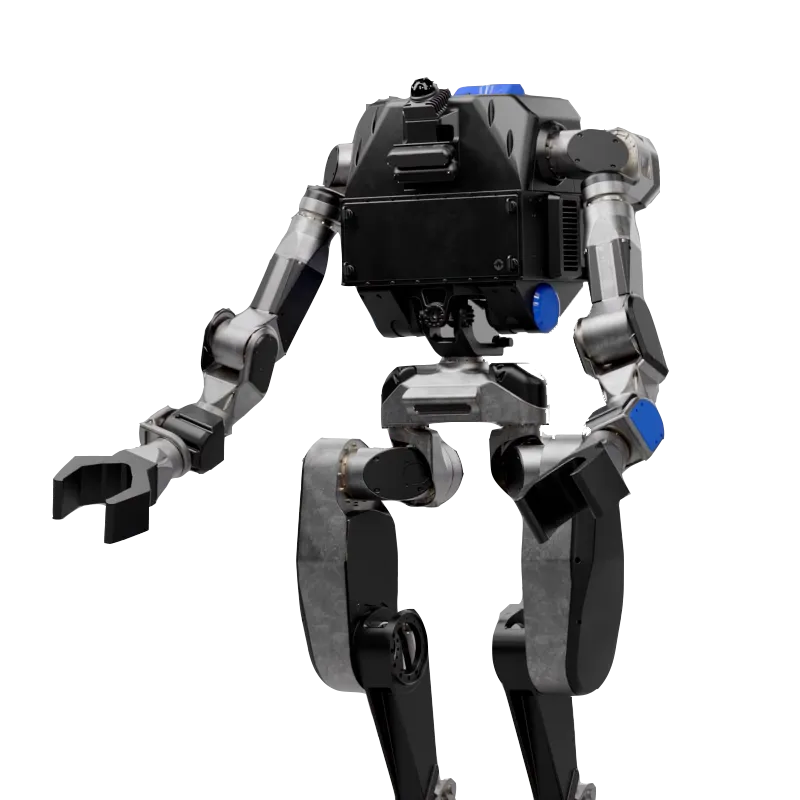
- M1:
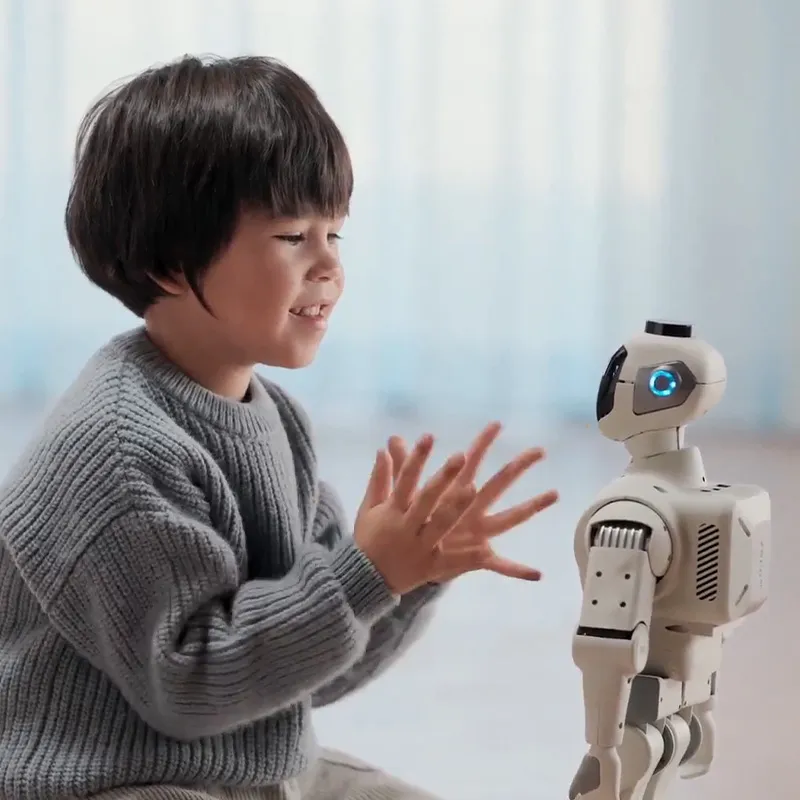
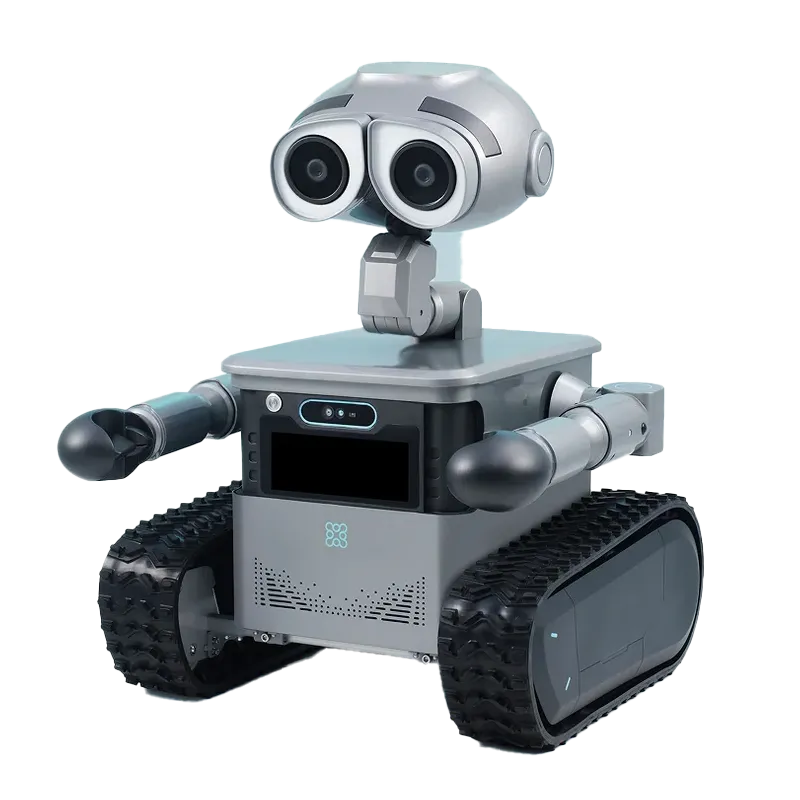
Flagship home humanoid robot designed for everyday assistance, reminders, routines, and interactive companionship, with multimodal perception and an app ecosystem. - W1:
Autonomous, wheel-based assistant for homes and light commercial use.
Specialism
- Embodied AI & Motion Systems:
Integrated motion control and sensory fusion for natural movement and interaction. - Multi-Modal Interaction & Safety:
Robots engineered with multimodal perception, safe autonomy layers, and evolving user interaction models. - Unified Tech Stack (Technology DNA):
Foundational architecture underpinning diverse robot formats from humanoid to quadruped. - Consumer and Developer Ecosystems:
Platforms designed for both households and technical audiences with app support and extensibility.
Business Viability
Zeroth Robotics is positioned as a fast-scaling startup in the emerging consumer robotics category, with a product portfolio that spans from approachable home humanoids to commercial assistants and R&D platforms. Its CES 2026 launch and multi-form portfolio signal an ambition to capture both broad mass-market and technical audiences simultaneously.
The company’s strategy of building a unified robotics technology base across products, combined with multimodal perception and personalized interaction focus, could help it differentiate in a competitive landscape that includes both established robotics firms and new entrants.
With US$70 M+ in angel funding and strong investor interest, Zeroth has initial capital to support R&D and go-to-market expansion, particularly in North America and Asia. Its debut in the U.S. — including pre-orders for its M1 home robot — demonstrates early commercial traction and market interest. Challenges will include scaling manufacturing, establishing robust software ecosystems, and proving real-world utility at scale, but its diversified product lineup and technology focus provide a foundation for continued growth