- New humanoid launches from Figure, Tesla, Unitree, XPENG, AgiBot, and more
- Real industrial deployments in factories, warehouses, and logistics centers
- Mass production milestones and pricing signals shaping the market
- Growing focus on credibility, autonomy validation, and trust
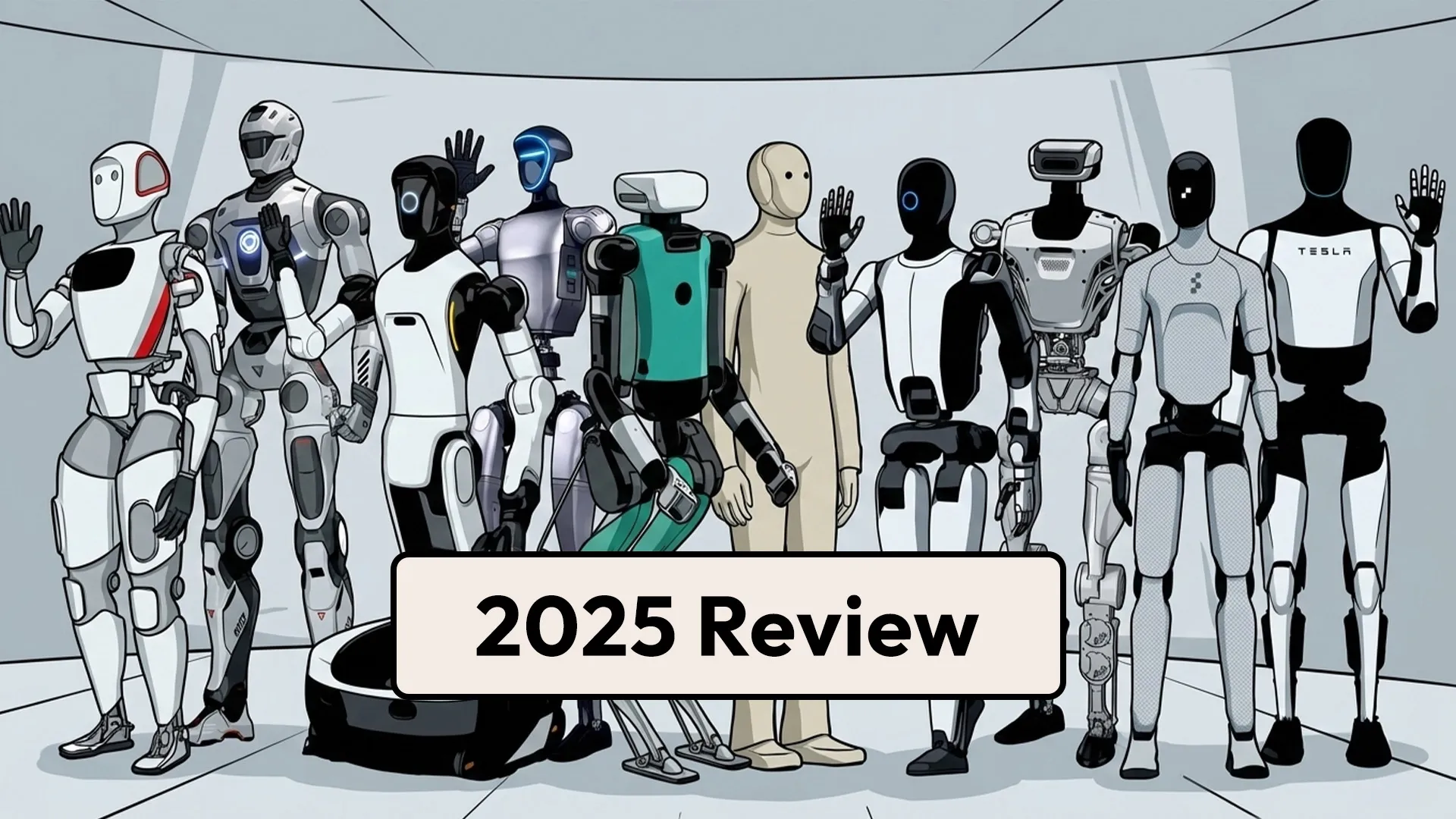
If the past decade of robotics was defined by promise, 2025 was the year intent became visible. Humanoid and quadruped robots moved decisively beyond controlled lab environments and carefully staged demonstrations, edging closer to real-world deployment, manufacturing scale, and commercial relevance. What once felt experimental began to look operational, not everywhere, but in enough places to signal a meaningful shift.
Throughout the year, leading robotics companies pursued distinctly different strategies. Some focused on vertical integration and production readiness, while others emphasized price disruption or industrial specialization. Major funding rounds, factory build-outs, advances in robot intelligence, and early commercial deployments reshaped the competitive landscape. At the same time, governments and enterprises increasingly viewed humanoid robotics as strategic infrastructure rather than speculative technology.
This year-end review looks back at 2025 through the lens of the companies shaping the field. By examining their decisions, breakthroughs, and challenges, it offers a clearer picture of how humanoid and quadruped robotics moved toward a more grounded and consequential future, and what these developments suggest for the year ahead.
Figure AI and the Push Toward Manufacturing Scale
Figure AI used 2025 to stress-test its assumptions. Figure 02 was deployed at BMW not as a commercial product, but as a learning platform. After collecting operational feedback, Figure retired the model entirely, redirecting insights into Figure 03.
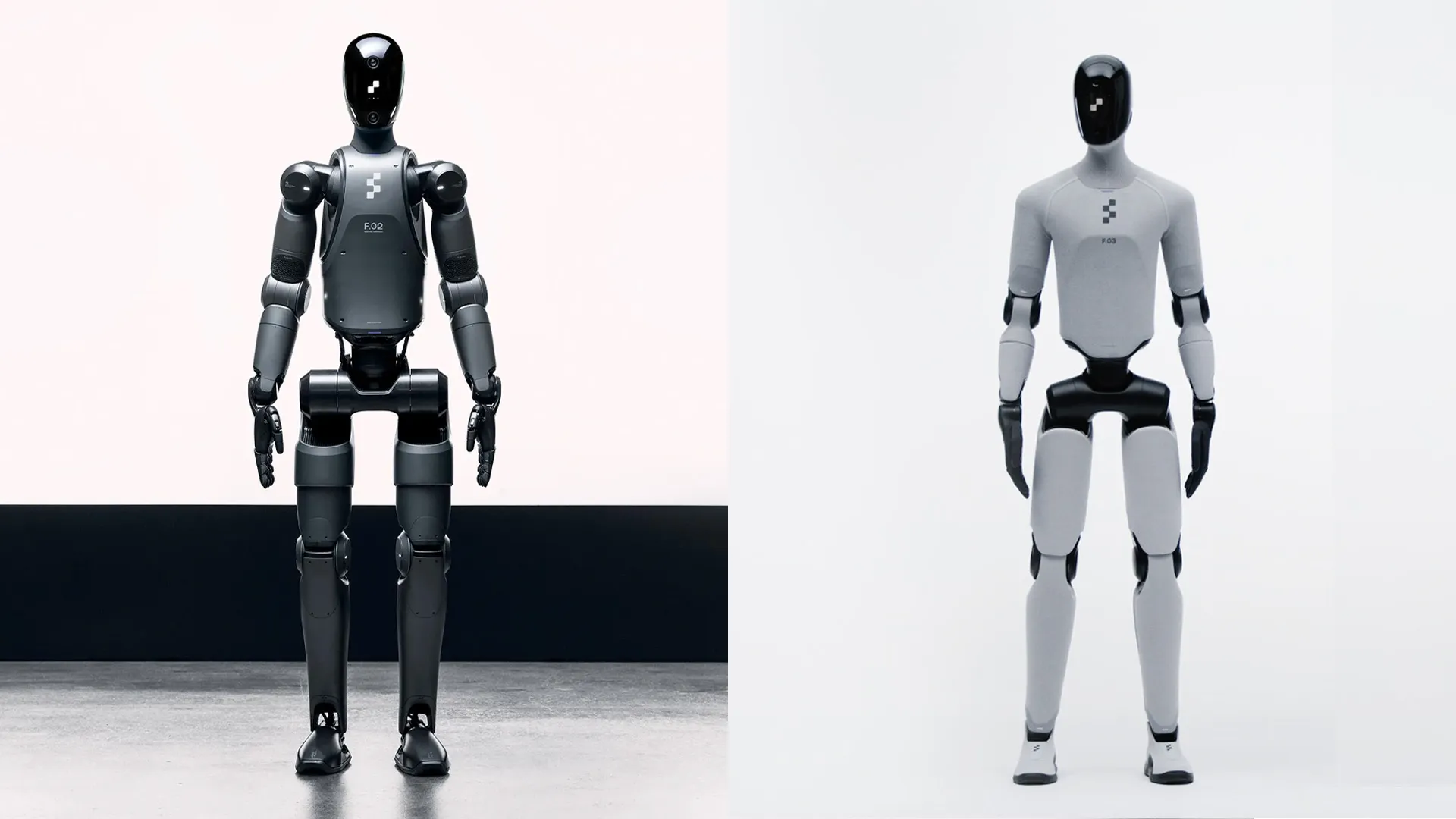
Figure 03 arrived with clear improvements in manipulation reliability, perception-to-action latency, and mechanical simplicity, all pointing toward manufacturability rather than research elegance. At the software level, Figure continued developing Helix, its in-house vision-language-action model, reinforcing a tightly integrated stack.
Strategically, Figure made decisive moves: ending its OpenAI partnership, launching the BotQ manufacturing facility, and closing a large Series C round. Heading into 2026, Figure is no longer positioning itself as an experiment, but as a company preparing for scaled industrial production.
Tesla Optimus: Vision Before Volume
Optimus remained the most publicly visible humanoid of 2025, with Tesla showcasing steady improvements in locomotion, hand dexterity, and coordinated two-handed manipulation. Public demonstrations, including Optimus handling everyday objects such as popcorn, were designed to signal progress toward human-scale utility rather than industrial specialization alone.
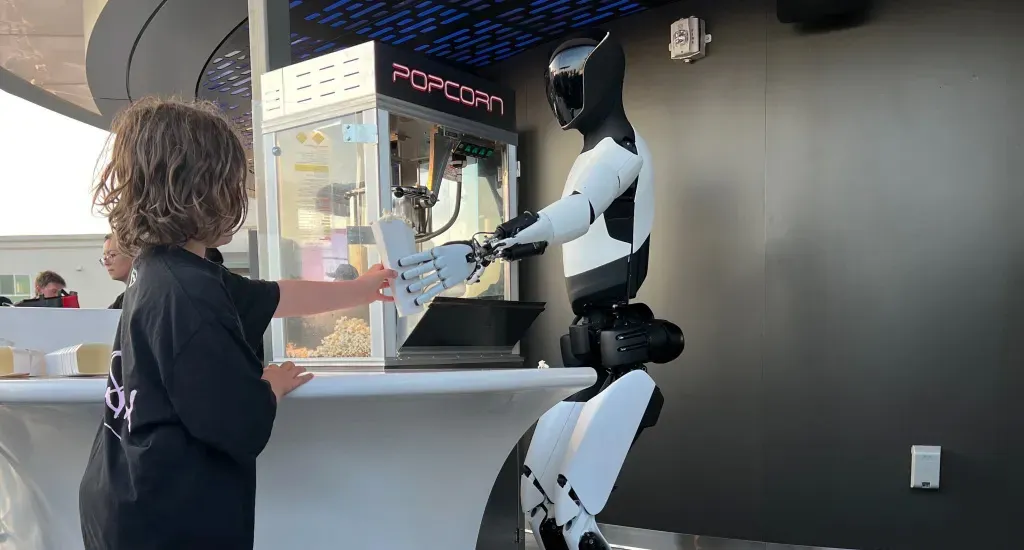
Operationally, Optimus spent most of the year in internal Tesla factory trials, performing basic material handling and logistics tasks. Tesla avoided external deployments, reinforcing a strategy centered on long validation cycles, large-scale simulation, and cost optimization before broader rollout.
Public reaction remained polarized. Supporters viewed Optimus as progressing rapidly toward general-purpose capability, while skeptics questioned timelines, robustness, and real-world economics. For 2026, expectations are less about spectacle and more about whether Optimus can demonstrate sustained factory uptime and repeatable task execution at scale.
Unitree Robotics: Speed, Scale and Market Shock
Unitree Robotics was one of the most disruptive forces in humanoid robotics in 2025, not through grand narratives, but through speed of execution and aggressive pricing. Building on its dominance in quadrupeds, Unitree expanded its humanoid lineup with the launch of H2, reinforcing its commitment to rapid iteration over prolonged pilot programs.
H2 arrived as a more capable successor to earlier humanoid platforms, with improvements in full-body coordination, manipulation, and system robustness. Rather than positioning H2 as a finished enterprise product, Unitree framed it as a fast-evolving platform, designed to collect data, attract developers, and pressure the market on cost and availability. Alongside H2, Unitree continued shipping the R1 humanoid and advancing the Go2 quadruped, maintaining one of the industry’s broadest and most accessible portfolios.
Unitree’s strategy in 2025 challenged a core assumption of humanoid robotics: that meaningful progress requires slow, high-cost development cycles. By prioritizing volume, iteration speed, and public access, Unitree forced competitors to reassess pricing models and time-to-market expectations.
Heading into 2026, Unitree is expected to continue expanding global distribution and accelerating hardware refresh cycles. Whether its rapid approach can translate into sustained industrial deployments remains an open question, but its influence on the industry’s economics is already undeniable.
1X Technologies: Consumer Humanoids and the Privacy Debate
In 2025, 1X Technologies continued to stand apart by targeting consumer and service environments with its humanoid NEO, a category most competitors avoided due to complexity and liability. NEO showed visible improvements in motion smoothness, grasping, and human interaction, but its most consequential development was architectural rather than mechanical.
Central to this strategy was “Expert Mode.” When NEO encounters tasks it cannot autonomously complete, human operators can temporarily take over via teleoperation, guiding the robot through complex actions. This human-in-the-loop approach enabled earlier deployment in unstructured environments, but also became the focal point of privacy concerns, as teleoperation may involve live visual data from private spaces. In response, 1X clarified consent mechanisms, data handling practices, and access controls, underscoring how consumer humanoids face stricter trust requirements than industrial robots.

Crucially, 1X positioned teleoperation not as a permanent dependency, but as training fuel. Data generated during Expert Mode sessions feeds Redwood AI, the company’s proprietary model, allowing NEO to learn directly from human intervention. The goal is to steadily reduce reliance on remote operators as Redwood AI absorbs these demonstrations and improves autonomous performance.
From a commercialization standpoint, 1X publicly discussed an aspirational price target around USD 30,000, signaling an intent to make NEO accessible beyond enterprise customers, though final pricing has not been formally announced. The company also indicated plans for limited real-world deployments in 2026, likely in controlled consumer or service settings rather than wide public release. Whether 1X can scale this model responsibly, balancing autonomy, privacy, and cost, will be a defining test for consumer humanoid robotics.
Apptronik: Industrial Humanoids Meet Advanced AI
Apptronik continued refining Apollo with a clear industrial focus. Deployments in logistics and automotive environments expanded steadily, prioritizing safety, repeatability, and human coexistence.
A major milestone came with Apollo receiving Google DeepMind’s Vision-Language-Action model, significantly improving task generalization. Mercedes-Benz deepened its relationship with Apptronik through expanded trials and an equity investment.
Looking toward 2026, Apptronik is expected to expand factory deployments, refine Apollo’s VLA-driven capabilities, and explore additional industrial sectors. By focusing on robust performance rather than headline-grabbing demonstrations, the company continues to define a path for humanoid robots that can operate safely and efficiently alongside humans in real-world workplaces.
Agility Robotics: Humanoids in Motion
In 2025, Agility Robotics continued to advance its focus on practical humanoid applications, particularly in logistics and fulfillment environments. Its signature robot, Digit, remained the company’s centerpiece, performing repetitive material-handling tasks, navigating warehouses, and assisting in operations where flexibility and mobility are critical. Unlike consumer-focused or spectacle-oriented humanoids, Agility’s approach emphasized reliability, efficiency, and real-world utility, demonstrating that bipedal robots can complement human workers in structured industrial settings.
The year marked several major operational milestones. In November 2025, Digit moved its 100,000th tote in a live commercial workflow at GXO Logistics, proving industrial-grade reliability and operational maturity. Meanwhile, Latin American e-commerce giant Mercado Libre began integrating Digit robots into their Texas fulfillment center, with plans to expand deployments to Mexico and Brazil in 2026. These milestones highlighted the growing commercial traction of humanoid robots in logistics and underscored their readiness to contribute meaningfully to high-volume operations.
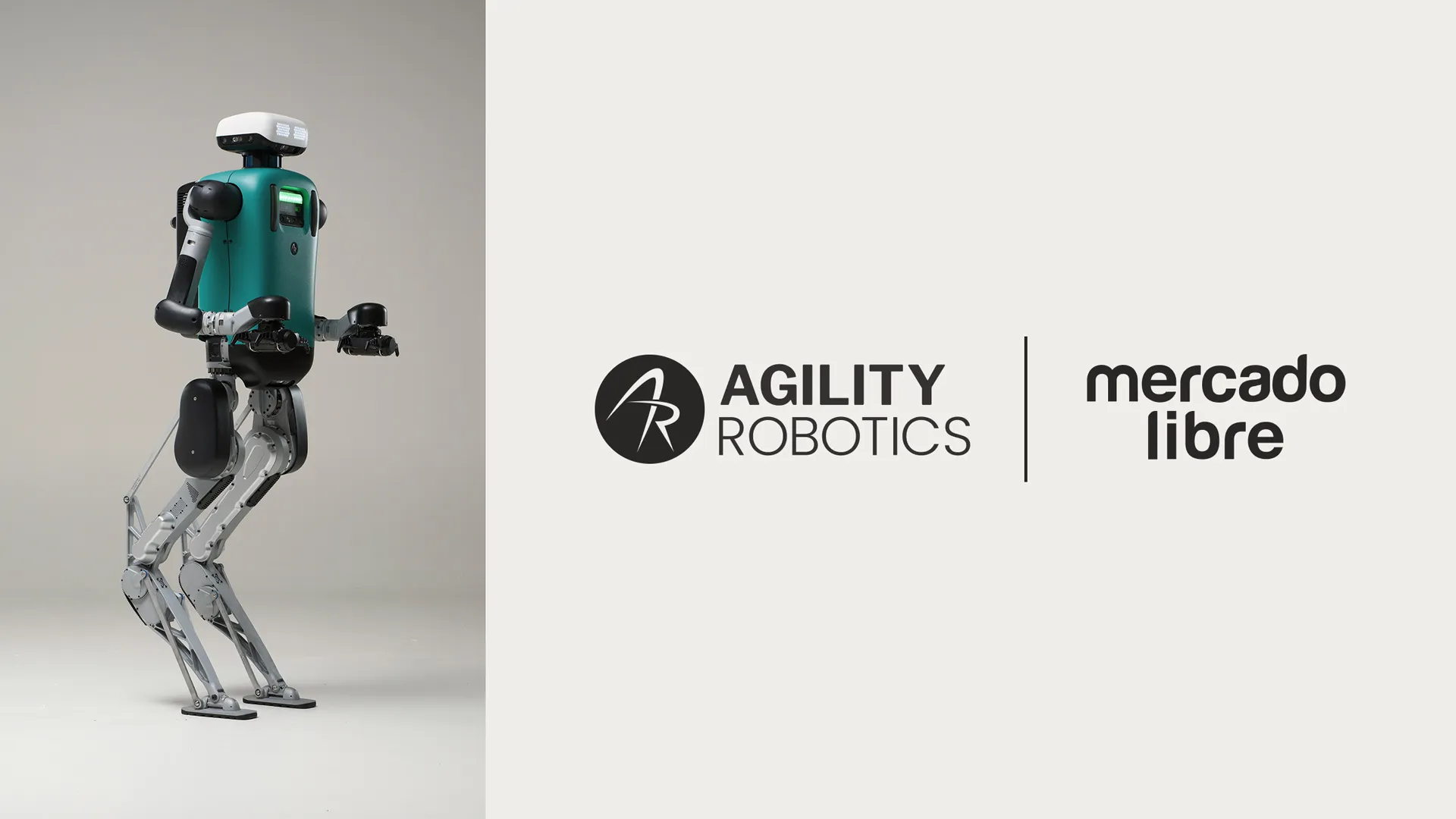
Agility Robotics also secured approximately $400 million in funding during the year, enabling the scaling of Digit production, refinement of autonomy and manipulation systems, and the expansion of commercial trials with logistics partners. Public and industry observers noted that Agility’s steady, incremental approach contrasted sharply with headline-grabbing demos from companies like Tesla or Unitree. While Digit did not achieve widespread consumer recognition, its real-world deployments reinforced the robot’s value as a productive, dependable tool rather than an experimental curiosity.
Looking ahead to 2026, Agility Robotics is expected to expand Digit’s operational footprint further, solidify partnerships with GXO Logistics and Mercado Libre, and continue refining autonomy and manipulation capabilities. The company’s methodical strategy demonstrates that, for humanoid robots, consistent performance in commercial workflows may be as important as technological flash, laying the groundwork for broader adoption in logistics and beyond.
AgiBot: Milestones and a Diversified Lineup
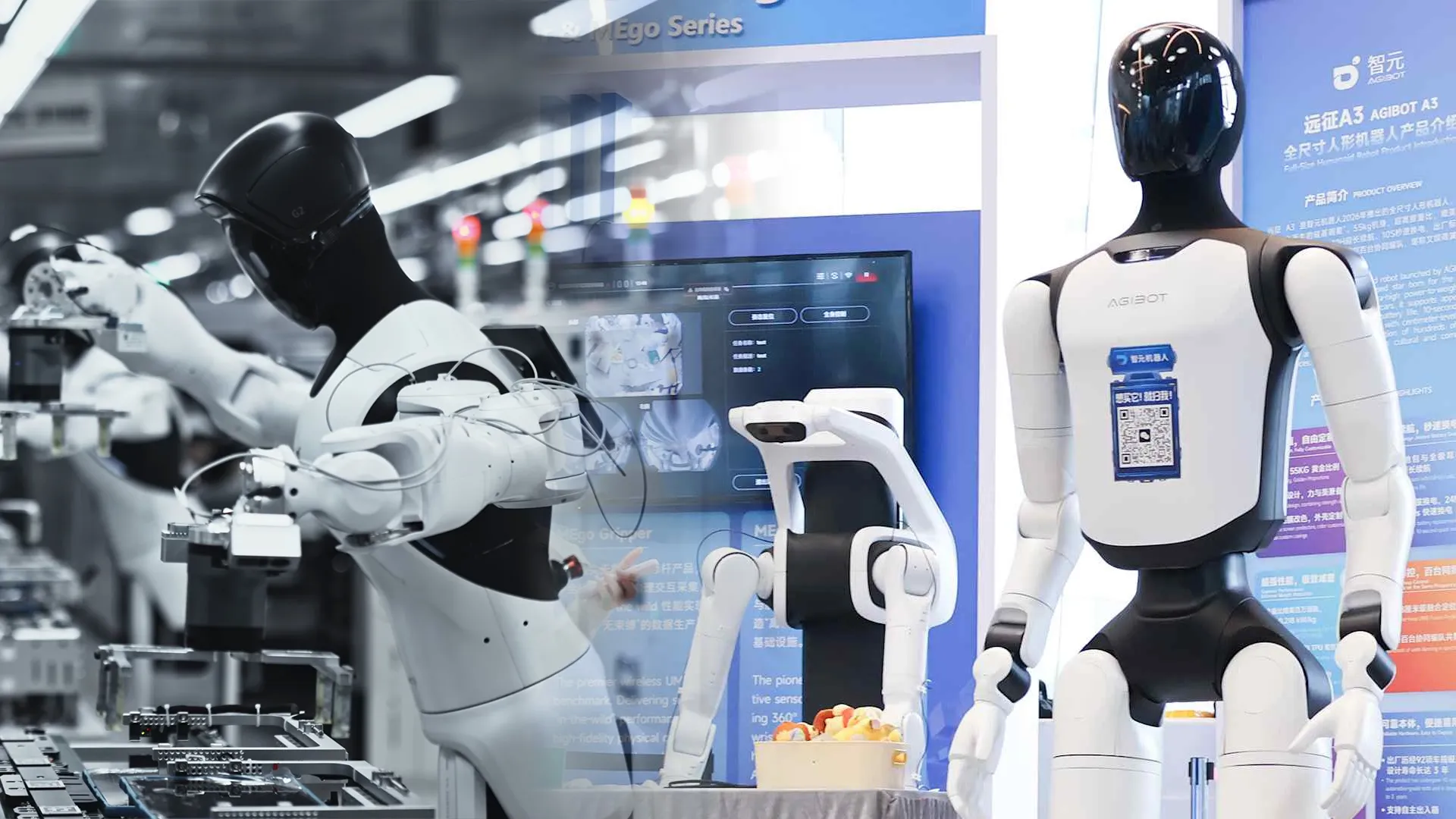
In December 2025, AgiBot, led by the visionary Peng Zhihui of Zhiyuan Robotics, celebrated a major milestone by rolling its 5,000th unit off the production line, a record for the company and one of the largest commercial humanoid volumes achieved in Asia this year. This achievement underscored AgiBot’s rapid growth and strong foothold in both consumer and industrial robotics sectors.
Beyond production milestones, AgiBot expanded its product suite significantly. The lineup now includes:
- AgiBot X2: A highly agile, half-sized biped capable of impressive acrobatics, including a “Webster flip” to demonstrate its balance and agility.
- AgiBot G2: An industrial-grade humanoid optimized for logistics, patrolling, and light manufacturing tasks.
- AgiBot A2: The full-sized model that set a world record by autonomously walking 106 km from Suzhou to Shanghai, showcasing endurance and advanced navigation.
These developments positioned AgiBot as a company capable of serving multiple markets, from entertainment and public demonstrations to industrial logistics and patrol. The combination of milestone production numbers and product diversification highlights AgiBot’s commitment to both technical innovation and scalability. Looking into 2026, the company is expected to expand A2 deployments in industrial settings while continuing to refine the agility and versatility of X2 and G2.
UBTECH: Industrial Automation with Autonomous Power
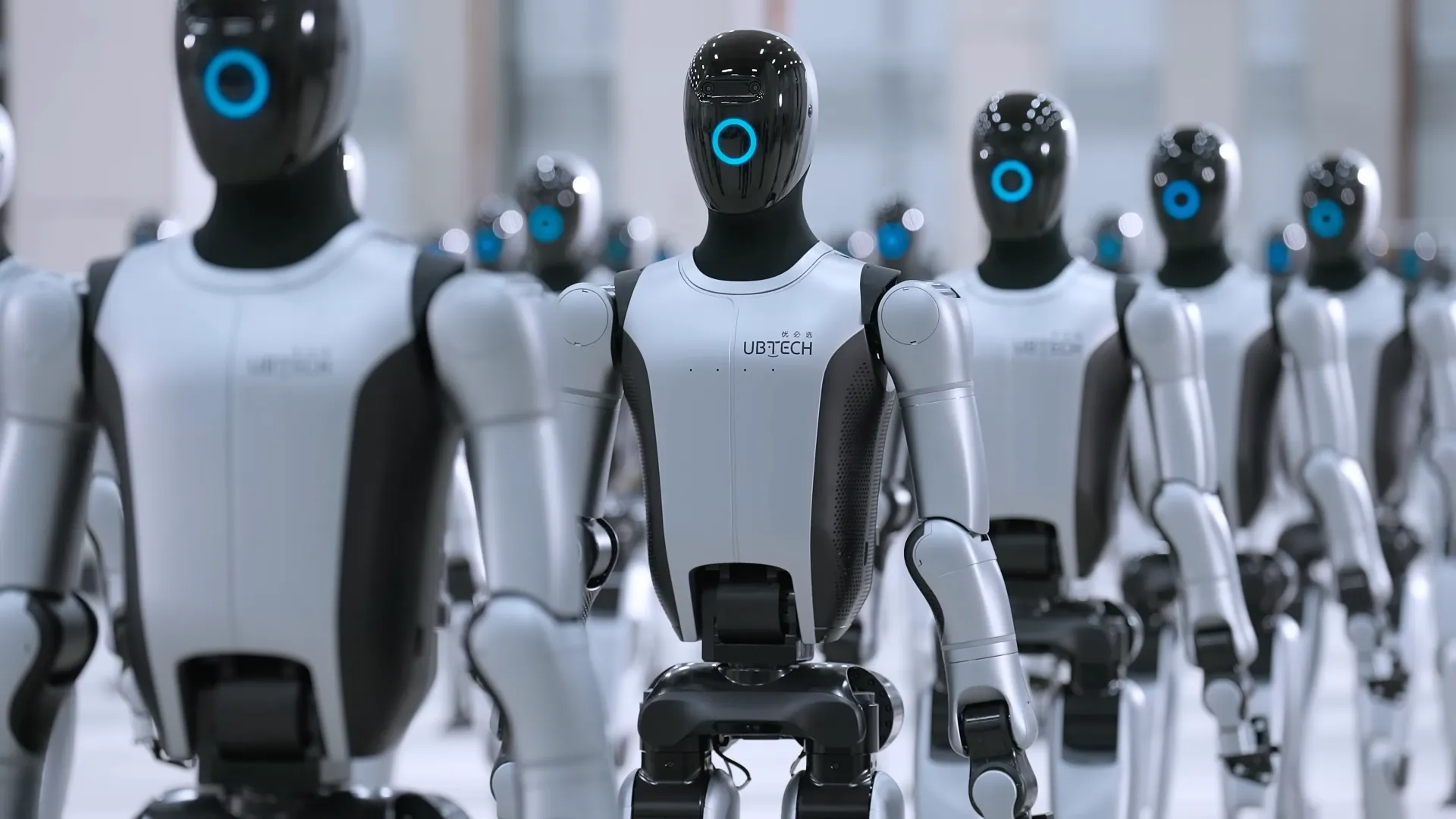
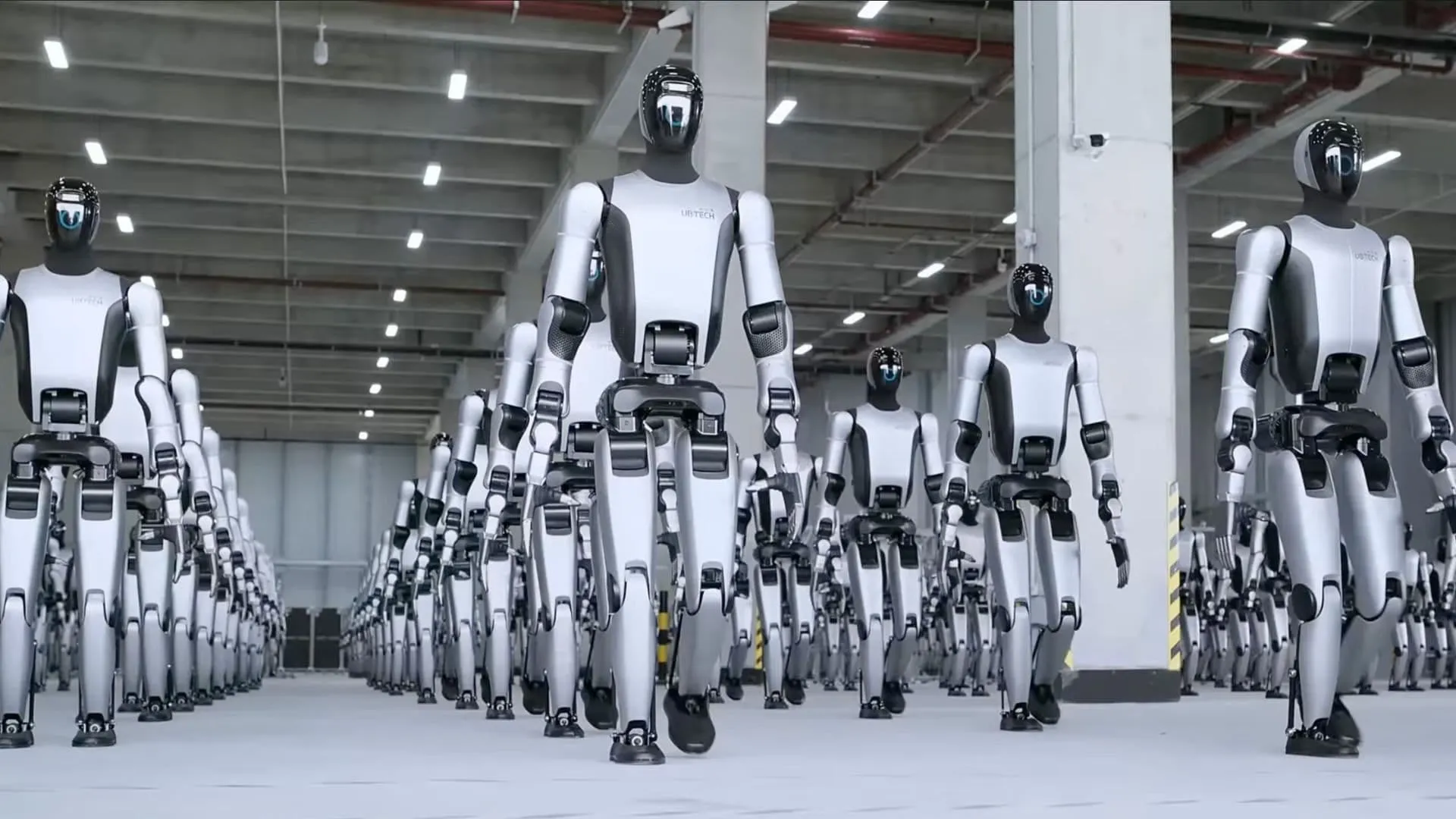
In 2025, UBTECH took a decisive step from research-focused humanoids into heavy industry, partnering with major automotive manufacturers such as BYD. Central to this transition is the Walker S2, a robust humanoid platform now equipped for real-world industrial workflows with minimal human supervision.
A major breakthrough this year was the addition of autonomous battery swapping. When the Walker S2’s power runs low, it can walk to a swap station, remove its own depleted battery, and replace it with a fresh one in under three minutes. This innovation allows near-continuous 24/7 operation, dramatically increasing productivity in logistics, manufacturing, and inspection tasks without human intervention.
UBTECH also made strides in mass production and rollout, ensuring that Walker S2 units could be deployed at scale across partner facilities. By combining automation, endurance, and industrial integration, UBTECH has positioned Walker S2 as a model for humanoid robots operating reliably in high-volume, real-world industrial environments. In 2026, the company is expected to expand Walker S2 deployments globally and continue refining autonomous features to reduce human oversight further.
NEURA Robotics: Cognitive Humanoids Built for Collaboration
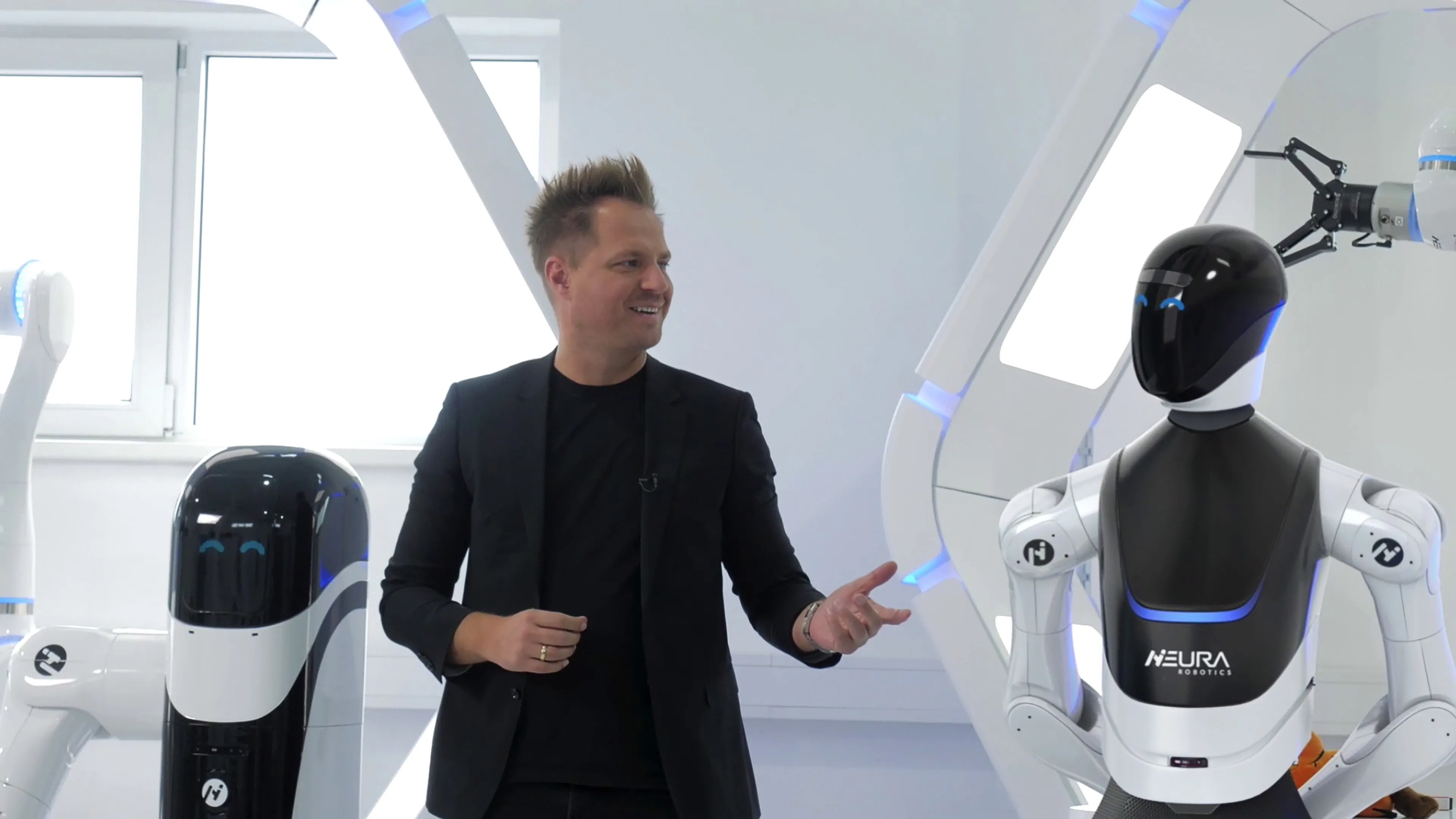
In 2025, NEURA Robotics reinforced its position as one of Europe’s most industrially minded humanoid developers with the continued rollout and refinement of 4NE1, its third-generation humanoid platform. Rather than targeting rapid mass deployment or consumer scenarios, NEURA focused on cognitive capability, safety, and compliance, aligning closely with European industrial standards.
4NE1 was positioned as a collaborative humanoid, emphasizing advanced perception, force-sensitive manipulation, and context-aware behavior designed for environments where humans and robots operate side by side. NEURA highlighted integrated sensing and AI-driven decision-making as core differentiators, framing intelligence and predictability as prerequisites for adoption in manufacturing and service industries.
Throughout the year, NEURA deepened partnerships within the European manufacturing ecosystem, signaling a long-term strategy centered on regulated, safety-critical deployments rather than fast-moving pilots. Heading into 2026, the company is expected to expand industrial trials of 4NE1, refine its cognitive autonomy stack, and continue positioning humanoids as cooperative tools rather than replacements for human labor.
Boston Dynamics: Refining the Gold Standard
While much of the humanoid conversation in 2025 focused on new entrants and bold claims, Boston Dynamics continued to advance quietly through refinement and deployment. The company’s flagship quadruped, Spot, received a significant 4.1 hardware update, reinforcing its position as the world’s most recognizable and operationally proven robot dog. Rather than reinventing the platform, Boston Dynamics focused on deepening Spot’s usefulness in environments where reliability matters most.
Alongside Spot’s progress, Atlas had a year defined by deep research integration and next-generation capability development. The company expanded collaborations with the NVIDIA Jetson Thor computing platform, enabling Atlas to run complex multimodal AI models and experiment with learned dexterity and locomotion policies that bring the robot closer to real-world autonomy.
A major research highlight in 2025 was Atlas’s use of Large Behavior Models with the Toyota Research Institute, allowing the humanoid to perform whole-body manipulation and locomotion tasks using unified AI control rather than separate motion systems. This development was showcased in demonstrations where Atlas combined walking, balancing, and object manipulation in continuous sequences, offering a glimpse of how general-purpose humanoids could operate in more dynamic environments.
Beyond software and AI, Atlas also saw upgrades in perception and vision systems, enhancing situational awareness with advanced 2D and 3D mapping and real-time environmental interpretation, improvements aimed at future industrial navigation and engagement.
Looking toward 2026 and beyond, Atlas is increasingly being positioned as a real-world industrial assistant, with field trials planned in facilities such as Hyundai’s Georgia EV plant. These deployments, though still early, signal a shift toward making Atlas not just a research marvel but a practical robotic partner in high-value manufacturing environments.
HMND 01: UK’s Entry into Full-Body Robotics
In 2025, Humanoid, a UK-based robotics company, made significant strides with the development and public unveiling of HMND 01, its first full-body humanoid platform. Positioned as a modular, adaptable, and highly programmable robot, HMND 01 was designed from the outset to support both research ecosystems and emerging commercial workflows.
Technical demonstrations of HMND 01 showcased whole-body coordination, multi-modal perception, and advanced locomotion, often running on proprietary compute hardware tailored for real-time control and sensory fusion. These capabilities positioned the platform as both a research tool and a foundation for future application-specific humanoids across industries ranging from manufacturing to services.
As 2026 approaches, Humanoid is expected to channel its investment into expanding HMND 01’s developer ecosystem, accelerating field trials with strategic partners, and refining the balance between modularity and task readiness. The company’s progress this year highlighted a trend toward open, adaptable humanoid platforms that can serve as a bridge between research frameworks and real-world deployment.
RoboForce: Entering the Field with TITAN
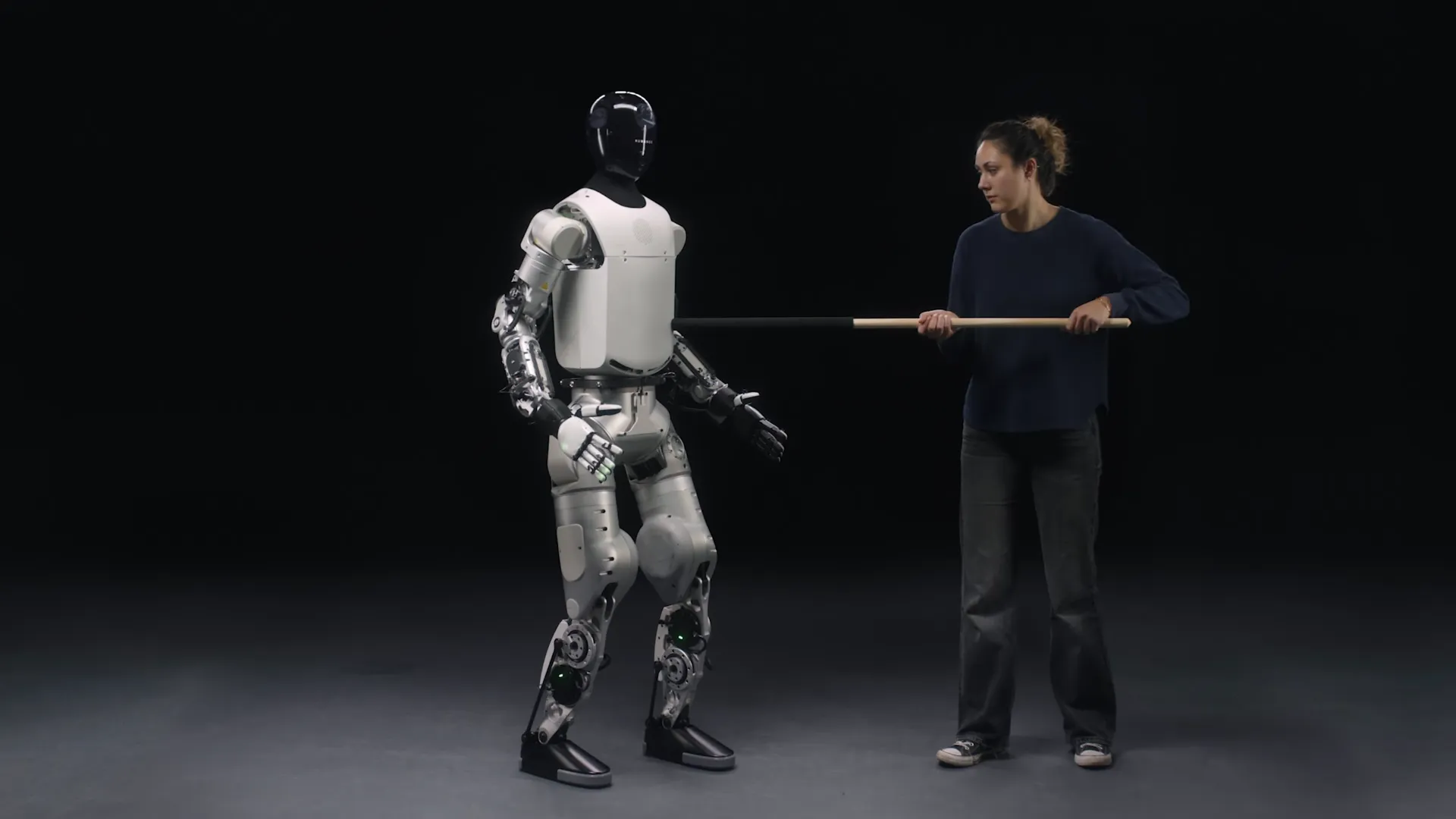
RoboForce made its clearest statement yet in 2025 with the debut of TITAN, its first full humanoid platform. Rather than positioning TITAN as a general-purpose assistant, RoboForce framed the robot as a task-focused humanoid designed for logistics, inspection, and repetitive industrial work. The launch signaled the company’s intent to compete in real operational environments, prioritizing robustness, modularity, and deployability over human-like theatrics.
TITAN’s unveiling reflected RoboForce’s broader philosophy of narrowing scope to accelerate usefulness. Demonstrations emphasized stable bipedal locomotion, basic manipulation, and system reliability, aligning with the company’s goal of shortening the path from prototype to pilot deployment. While RoboForce remained relatively low-profile compared to larger brands, TITAN’s debut marked a meaningful entry into the humanoid market.
Looking ahead to 2026, RoboForce is expected to build on TITAN with application-specific refinements and enterprise pilots, positioning itself among a growing group of companies betting that focused humanoids will reach commercial viability sooner than fully general-purpose systems.
LimX Dynamics: Platforms Before Products
In 2025, LimX Dynamics expanded its footprint in humanoid and legged robotics with the debut of Oli and TRON 2, reinforcing its role as a foundational technology provider rather than a consumer-facing robot brand. Oli was positioned as a compact, agile bipedal platform aimed at research, development, and early industrial experimentation, while TRON 2 represented a more advanced modular system.
Rather than emphasizing end-user applications, LimX used these debuts to highlight its strengths in mechanical design, actuators, and motion control. Both platforms served as reference systems for developers and partners, demonstrating how LimX’s locomotion technology could be scaled and adapted across different humanoid form factors. This approach underscored the company’s belief that reliable movement remains one of the hardest and most valuable problems to solve in humanoid robotics.
As the industry moves into 2026, LimX Dynamics is expected to continue refining its platforms and deepening partnerships, embedding its technology into a wider range of humanoid and legged robots built by others.
XPENG Robotics: IRON and the Question of Authenticity
XPENG Robotics drew widespread attention in 2025 with the debut of 2nd-gen IRON, a bipedal humanoid developed under the same AI and autonomy philosophy that powers XPENG’s electric vehicles. IRON was presented as a product of XPENG’s internal robotics and AI efforts, with demonstrations highlighting walking stability, object interaction, and integration with the company’s broader software stack.
Public reaction, however, was unusually polarized. As videos of IRON circulated online, some viewers questioned the authenticity of the humanoid, with speculation ranging from assisted motion to the extreme claim that a human might be concealed inside the robot. While these doubts were largely driven by skepticism toward unusually fluid movement, they underscored the heightened scrutiny now facing humanoid robotics as demonstrations become more convincing and expectations rise.

The controversy escalated to the point where XPENG’s CEO publicly addressed the claims, going as far as cutting open IRON’s outer skin during a demonstration to show that no human was hidden inside the robot. While unusual, the moment underscored the growing credibility challenge facing humanoid developers: as robots move more like humans, audiences demand stronger forms of verification.
XPENG framed IRON not as a commercial product, but as a long-term research platform. Throughout 2025, the humanoid remained in internal testing, with no announced industrial deployments. Looking ahead to 2026, expectations center less on visual demonstrations and more on transparent validation of autonomy, task execution, and system architecture. For XPENG, proving what IRON can do will matter as much as proving what it is not.
EngineAI: From Product Launch to Retail Experimentation
In 2025, EngineAI made one of the more unconventional moves in the humanoid robotics space with the launch of T800, a full-sized humanoid positioned for service, interaction, and early commercial experimentation. Rather than framing T800 purely as an industrial robot, EngineAI emphasized approachability, interaction quality, and deployment flexibility.
The company drew significant attention by opening China’s first humanoid robot retail store, using it as both a commercial experiment and a real-world testing ground. The store allowed the public to interact directly with humanoid robots, offering EngineAI a continuous stream of behavioral data while simultaneously gauging consumer acceptance. This retail-first approach contrasted sharply with the factory-centric strategies adopted by many competitors.
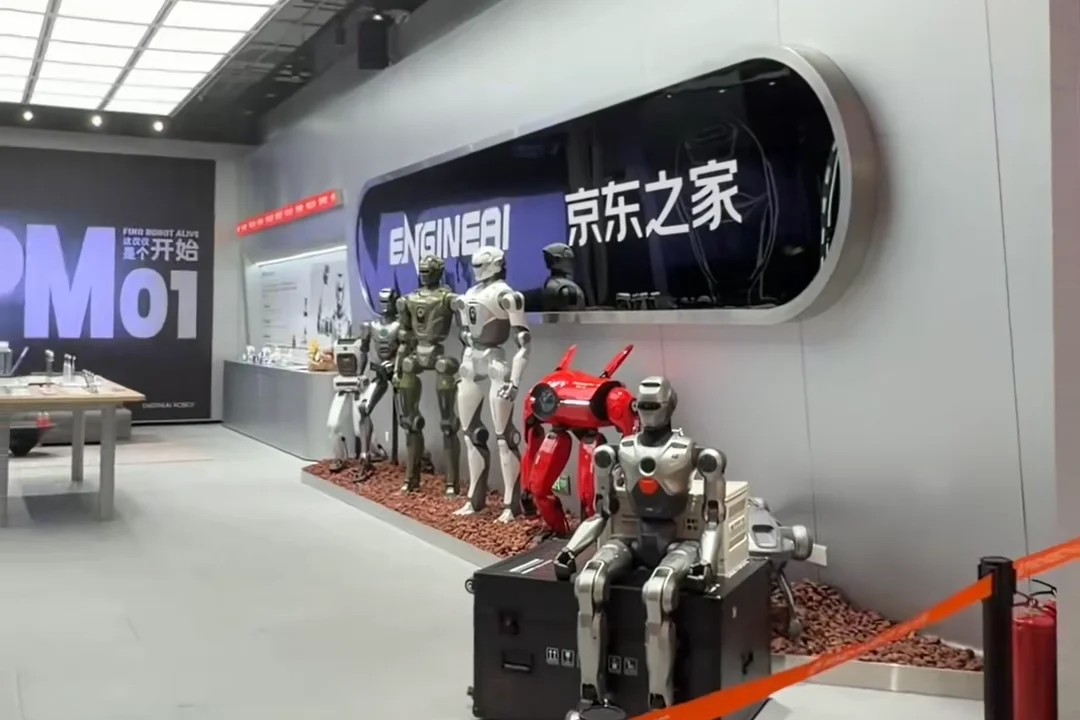
T800’s debut highlighted steady progress in locomotion, upper-body articulation, and human-facing interaction, though EngineAI remained cautious about overstating autonomy. By combining a physical product launch with a real-world retail environment, the company positioned itself at the intersection of deployment, data collection, and public trust-building.
Looking toward 2026, EngineAI is expected to refine T800 through iterative updates informed by real customer interactions, while exploring whether humanoid retail and service models can scale beyond novelty into sustainable business cases.
Closing Thoughts
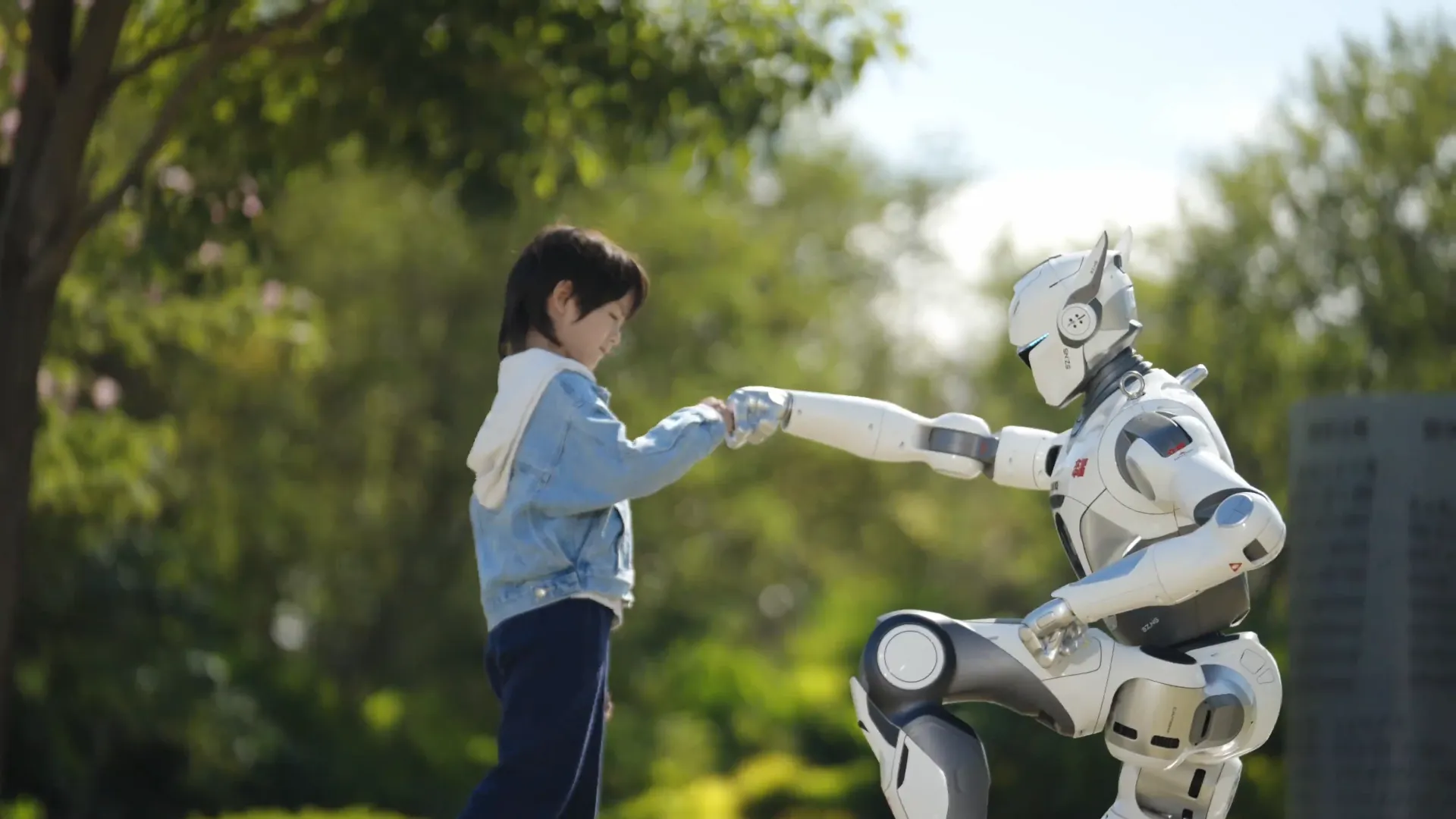
By the end of 2025, humanoid and quadruped robotics had clearly entered a new phase. The conversation shifted away from whether these machines could move, see, or grasp, and toward whether they could be manufactured at scale, deployed reliably, and trusted in real environments. Product launches accelerated, industrial pilots became more common, and AI models increasingly defined how fast autonomy could improve.
What stood out most was divergence. Some companies optimized for cost and speed, others for safety and compliance, and a few for consumer-facing ambition. No single approach dominated, but together they signaled an industry moving out of experimentation and into evaluation.
As 2026 begins, success will be measured less by demos and more by uptime, integration effort, and economics. The humanoid era is no longer speculative. It is now being tested, piece by piece, in the real world.
About the author